
Nutrition plays a crucial role in athletic performance, especially for cyclists. Pre- and post-workout meals significantly impact energy levels, recovery, and overall performance. Understanding how to fuel your body properly can enhance your cycling experience and results.
Cycling demands endurance, strength, and focus. Proper nutrition before and after rides helps meet these demands. This article explores the importance of pre- and post-workout nutrition, ideal meal components, timing, hydration, and supplements.
Key Takeaways
- Proper pre- and post-workout nutrition is essential for maximizing cycling performance and recovery.
- An ideal pre-workout meal includes carbohydrates, moderate protein, and minimal fat, consumed 1-3 hours before exercise.
- Post-workout nutrition should focus on replenishing glycogen and repairing muscles with carbs and protein within 30-60 minutes after cycling.
- Staying hydrated and maintaining electrolyte balance during workouts is crucial for endurance and preventing cramps.
- Nutrition strategies and supplement use should be tailored to the specific type and intensity of cycling workouts for optimal results.
Importance of Pre-Workout Nutrition
Pre-workout nutrition sets the stage for optimal performance. It provides the necessary energy to sustain effort during rides. Without adequate fuel, cyclists may experience fatigue and decreased performance.
Eating the right foods before cycling can enhance endurance and strength. It also helps maintain focus and mental clarity. Proper pre-workout nutrition can make a significant difference in how you feel during your ride.
Components of an Ideal Pre-Workout Meal

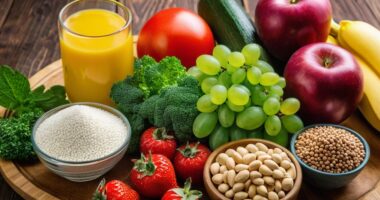
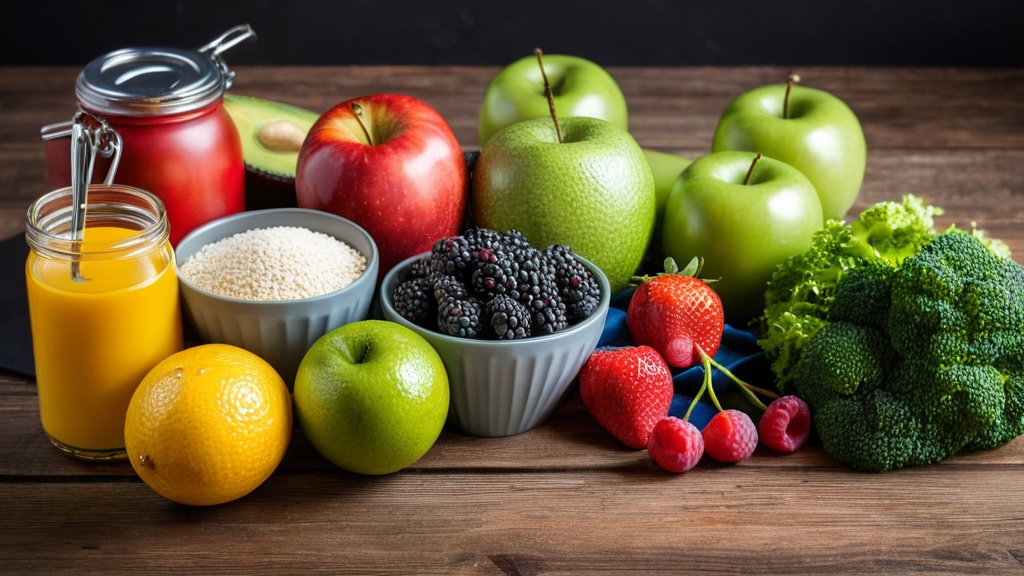
An ideal pre-workout meal should include carbohydrates, protein, and healthy fats. Carbohydrates provide quick energy, while protein supports muscle maintenance. Healthy fats offer sustained energy for longer rides.
For example, oatmeal with fruit and nuts makes a great pre-workout meal. It combines complex carbohydrates with healthy fats and protein. This combination fuels your body effectively for cycling.
Timing of Pre-Workout Nutrition
Timing your pre-workout meal is essential for maximizing energy levels. Aim to eat 1 to 3 hours before your ride. This window allows your body to digest food and convert it into usable energy.
If you’re short on time, consider a small snack 30 minutes before cycling. A banana or an energy bar can provide a quick energy boost. However, avoid heavy meals right before riding to prevent discomfort.
Importance of Post-Workout Nutrition
Post-workout nutrition is just as vital as pre-workout meals. After cycling, your body needs to recover and rebuild. Proper nutrition helps replenish glycogen stores and repair muscle tissue.
Eating the right foods after a ride can reduce soreness and fatigue. It also supports overall recovery, allowing you to train effectively in the future. Prioritizing post-workout nutrition can enhance your cycling performance over time.
Components of an Ideal Post-Workout Meal
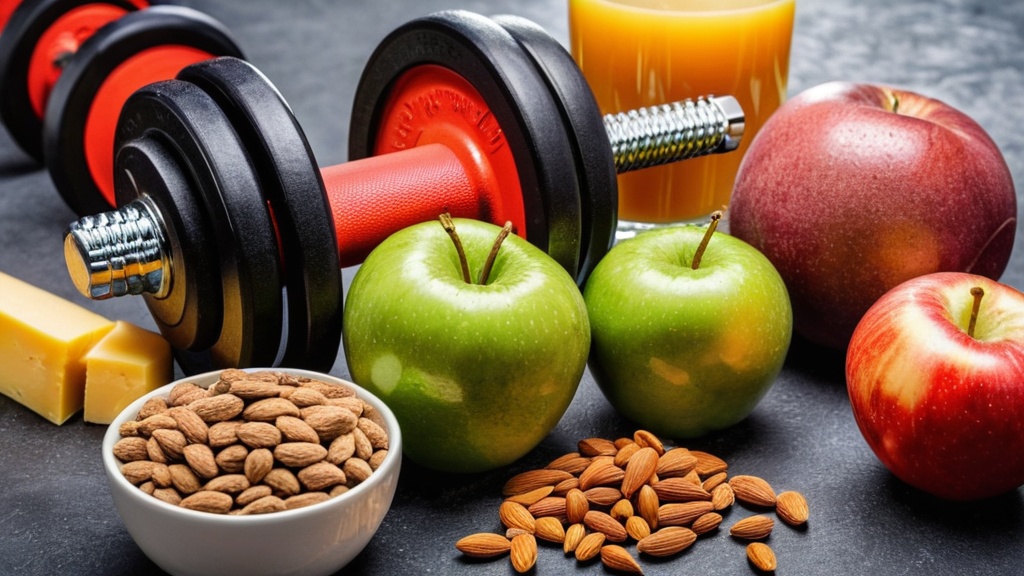
An ideal post-workout meal should focus on carbohydrates and protein. Carbohydrates help replenish glycogen stores depleted during exercise. Protein aids in muscle repair and growth after intense rides.
A smoothie with protein powder, fruits, and spinach makes an excellent post-workout option. Alternatively, a chicken wrap with whole-grain bread provides both carbs and protein. These meals support recovery and prepare you for your next ride.
Timing of Post-Workout Nutrition
Timing matters when it comes to post-workout nutrition. Aim to eat within 30 minutes to two hours after cycling. This window maximizes recovery benefits and replenishes energy stores efficiently.
If you can’t have a full meal right away, opt for a snack. A protein shake or yogurt can provide essential nutrients quickly. Prioritizing this timing helps your body recover faster.
Hydration and Electrolyte Balance during Workouts
Hydration is crucial for optimal performance during cycling. Dehydration can lead to fatigue, decreased focus, and impaired physical ability. Drinking water before, during, and after rides helps maintain hydration levels.
Electrolyte balance also plays a significant role in performance. Sodium, potassium, and magnesium help regulate fluid balance in the body. Consuming electrolyte-rich drinks or foods can support hydration during long rides.
Supplements for Pre- and Post-Workout Nutrition
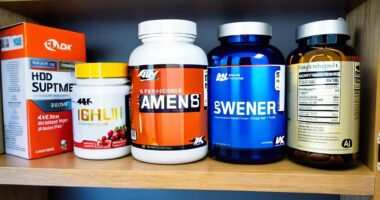
Supplements can enhance pre- and post-workout nutrition for cyclists. Protein powders offer a convenient way to meet protein needs after rides. They help with muscle recovery when whole foods aren’t available.
Additionally, branched-chain amino acids (BCAAs) can support muscle recovery and reduce soreness. Creatine may also enhance performance during high-intensity efforts. However, consult a healthcare professional before starting any supplement regimen.
Tailoring Nutrition to Different Types of Cycling Workouts
Different cycling workouts require tailored nutrition strategies. For endurance rides, focus on carbohydrate-rich meals to sustain energy levels. For high-intensity training, prioritize protein intake for muscle repair.
Consider the duration and intensity of your rides when planning meals. Shorter rides may require less fuel than longer ones. Adjusting your nutrition based on workout type ensures optimal performance.
Conclusion and Recommendations for Optimal Pre- and Post-Workout Nutrition on Cycle
In conclusion, pre- and post-workout nutrition significantly impacts cycling performance. Prioritize balanced meals rich in carbohydrates and protein for both phases. Timing your meals enhances their effectiveness in fueling workouts and aiding recovery.
Stay hydrated throughout your rides to maintain peak performance levels. Consider supplements if needed but consult a professional first. Tailor your nutrition strategies based on workout types for the best results.
By focusing on these aspects of nutrition, cyclists can improve their performance and recovery significantly. Implement these recommendations to enhance your cycling experience today!