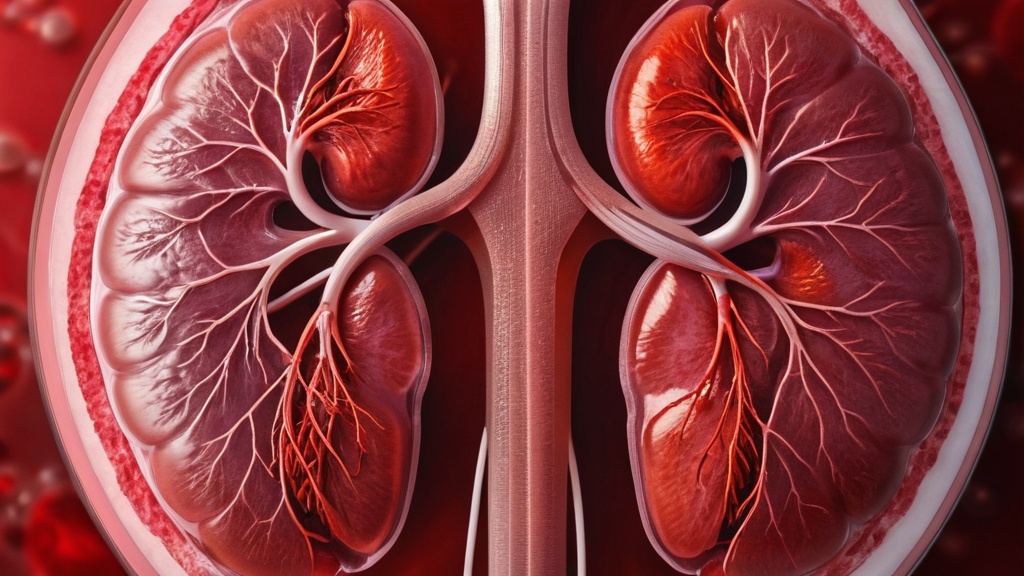

Kidneys are essential organs that maintain overall health through multiple critical functions. They filter metabolic waste products from the blood, regulate electrolyte and fluid balance, and help control blood pressure. Properly functioning kidneys are fundamental to maintaining homeostasis and supporting bodily systems.
Kidney dysfunction can result in serious health complications and systemic effects throughout the body. Chronic kidney disease (CKD) is a widespread health condition affecting approximately 37 million adults in the United States, according to the National Kidney Foundation. CKD is characterized by gradual loss of kidney function over time and often progresses without noticeable symptoms until advanced stages develop.
Early detection and understanding of kidney disease mechanisms are important for implementing preventive measures and timely medical intervention.
Key Takeaways
- Maintaining kidney health is crucial for overall well-being and requires a holistic approach.
- Proper nutrition, adequate hydration, and avoiding harmful substances support optimal kidney function.
- Regular monitoring and recognizing early signs of kidney stress can prevent serious complications.
- Managing blood pressure and incorporating cardiovascular exercise benefit kidney health.
- Professional medical guidance and appropriate supplements can aid in maintaining and improving kidney function.
Nutritional Strategies for Kidney Health
A balanced diet is essential for maintaining kidney health. Focus on whole foods, such as fruits, vegetables, whole grains, and lean proteins. These foods provide necessary nutrients while minimizing harmful substances that can stress the kidneys.
For example, incorporating foods rich in antioxidants, like berries and leafy greens, can help reduce inflammation. Additionally, limiting sodium intake can lower blood pressure and reduce kidney strain. Aim for less than 2,300 mg of sodium per day, as recommended by the American Heart Association.
Hydration and Kidney Function

Staying hydrated is crucial for kidney function. Water helps kidneys filter waste and toxins from the blood. It also aids in maintaining proper fluid balance in the body.
Dehydration can lead to kidney stones and urinary tract infections, both of which can harm kidney health. A good rule of thumb is to drink enough water to keep your urine light yellow. This indicates proper hydration.
If you exercise or live in a hot climate, you may need to increase your fluid intake. Remember that hydration needs can vary based on individual factors like age, activity level, and overall health.
Monitoring Kidney Health
Regular check-ups are essential for monitoring kidney health. Blood tests can measure creatinine levels and estimate glomerular filtration rate (GFR), which indicates how well kidneys are functioning. Urine tests can also detect protein levels, which may signal kidney damage.
If you have risk factors for kidney disease, such as diabetes or high blood pressure, discuss monitoring strategies with your healthcare provider. Early detection can lead to timely interventions that may slow disease progression.
Avoiding Nephrotoxic Substances
| Metric | Description | Recommended Range for Bodybuilders | Notes |
|---|---|---|---|
| Serum Creatinine | Waste product from muscle metabolism, filtered by kidneys | 0.7 – 1.3 mg/dL | May be elevated in bodybuilders due to increased muscle mass; interpret with caution |
| Blood Urea Nitrogen (BUN) | Measures urea levels, a waste product filtered by kidneys | 7 – 20 mg/dL | High protein intake in bodybuilding can increase BUN levels |
| Glomerular Filtration Rate (GFR) | Estimates kidney function | > 90 mL/min/1.73 m² | Lower values may indicate impaired kidney function |
| Urinalysis – Protein | Detects protein in urine, a sign of kidney damage | Negative or trace | Excessive proteinuria may indicate kidney stress or damage |
| Hydration Status | Fluid balance affecting kidney function | Maintain adequate hydration (clear to light yellow urine) | Dehydration can impair kidney function and increase injury risk |
| Creatine Supplementation | Common supplement in bodybuilding | 3-5 grams/day typical maintenance dose | Generally safe for healthy kidneys but monitor kidney function regularly |
| NSAID Use | Non-steroidal anti-inflammatory drugs usage | Minimize use | Frequent use can impair kidney function, especially with dehydration |
Certain substances can harm kidney function. Nonsteroidal anti-inflammatory drugs (NSAIDs), some antibiotics, and certain contrast dyes used in imaging tests can be nephrotoxic. It’s important to use these medications only as directed and under medical supervision.
Additionally, limit exposure to environmental toxins like heavy metals and certain chemicals found in household products. For instance, using natural cleaning products can reduce your exposure to harmful substances that may stress your kidneys.
Managing Blood Pressure for Kidney Health
High blood pressure is a significant risk factor for kidney disease. It can damage blood vessels in the kidneys, reducing their ability to filter waste effectively. Maintaining a healthy blood pressure is crucial for protecting kidney function.
To manage blood pressure, adopt a heart-healthy lifestyle. This includes eating a balanced diet low in sodium, engaging in regular physical activity, and managing stress levels. If necessary, your healthcare provider may prescribe medications to help control your blood pressure.
Incorporating Cardiovascular Exercise for Kidney Health
Regular cardiovascular exercise benefits both heart and kidney health. Activities like walking, cycling, or swimming improve circulation and help maintain a healthy weight. These factors contribute to better kidney function and overall well-being.
Aim for at least 150 minutes of moderate-intensity aerobic activity each week. This could be as simple as brisk walking for 30 minutes five days a week. Remember to consult with a healthcare provider before starting any new exercise program, especially if you have existing health conditions.
Rest and Recovery for Kidney Health
Adequate rest is essential for overall health, including kidney function. Sleep allows the body to repair itself and maintain balance in various systems. Chronic sleep deprivation can lead to increased stress hormones, which may negatively impact kidney health.
Aim for 7-9 hours of quality sleep each night. Establish a relaxing bedtime routine to improve sleep quality. This could include activities like reading or practicing mindfulness techniques to help you unwind.
Supplements for Kidney Health
While a balanced diet should provide most necessary nutrients, some individuals may benefit from supplements. Omega-3 fatty acids, found in fish oil, may help reduce inflammation and support kidney health. Vitamin D is also important for overall health and may play a role in kidney function.
Before starting any supplements, consult with a healthcare provider. They can help determine if you need additional nutrients based on your individual health status and dietary habits.
Recognizing Signs of Kidney Stress
Being aware of signs of kidney stress is crucial for early intervention. Symptoms may include fatigue, swelling in the legs or ankles, changes in urine output, or persistent back pain near the kidneys. If you notice any of these signs, it’s important to seek medical attention promptly.
Regular self-checks can help you stay attuned to your body’s signals. For instance, pay attention to changes in your energy levels or any unusual swelling. Early detection can lead to more effective treatment options.
Seeking Professional Help for Kidney Health
If you have concerns about your kidney health or risk factors for kidney disease, don’t hesitate to seek professional help. A healthcare provider can assess your situation and recommend appropriate tests or lifestyle changes. Regular consultations with a nephrologist may be necessary if you have existing kidney issues or are at high risk for developing them.
They can provide specialized care tailored to your needs and help you navigate any challenges related to kidney health. In conclusion, maintaining kidney health requires a proactive approach that includes proper nutrition, hydration, regular monitoring, and lifestyle modifications. By understanding the importance of kidney health and implementing these strategies, you can support your kidneys and enhance your overall well-being.
Remember that small changes can lead to significant improvements over time.