
Want to build stronger muscles? It involves more than just lifting weights. Understanding how your body repairs and grows muscle is key. This guide explores the science of muscle protein turnover, offering practical strategies to optimize your efforts.
Your muscles are constantly changing. This process is called muscle protein turnover (MPT). It involves both building and breaking down muscle proteins.
Think of it like a house. You build new parts (synthesis) and repair old ones (breakdown). Both are essential for a strong, growing structure.
A healthy balance favors building over breakdown. This balance leads to muscle growth. When breakdown exceeds building, muscle mass can decrease.
The Role of Resistance Exercise
Lifting weights is a powerful stimulus. It initiates the muscle growth process. This type of exercise directly impacts MPT.
Resistance exercise causes tiny tears in muscle fibers. Your body then works to repair and rebuild them stronger. This repair mechanism helps muscles adapt and grow.
This repair phase is critical for muscle growth. It elevates muscle protein turnover significantly. This elevation can last up to 48 hours post-workout.
Creating the Anabolic Window
This elevated turnover creates an “anabolic window.” During this time, your muscles are primed for growth. Providing the right nutrients is crucial then.
Imagine a construction site. After a storm, workers rush to fix damages. They need materials to do their job effectively. Your muscles are similar.
Proper nutrition during this window maximizes repair and growth. It helps your body fully capitalize on your workout efforts.
Optimizing Protein Intake
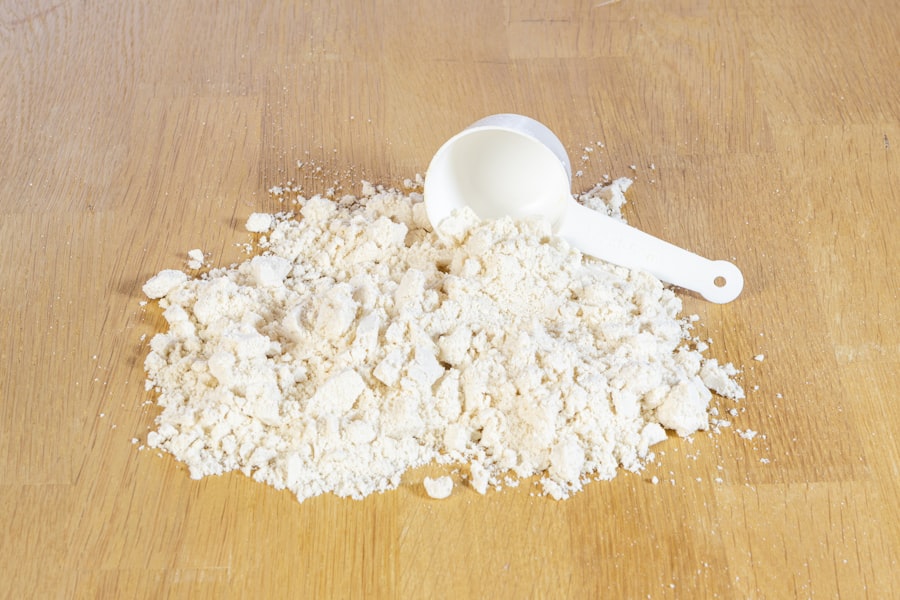
Protein is the building block of muscles. Consuming enough high-quality protein is vital. It directly fuels muscle repair and growth.
Your body uses amino acids from protein to build new muscle. These amino acids are essential for muscle protein synthesis (MPS). MPS is the “building” part of MPT.
Not all proteins are created equal. Focus on sources rich in essential amino acids (EAAs). Leucine, an EAA, is particularly important.
Optimal Post-Exercise Protein Dosing
After a workout, muscle cells are eager for protein. A specific protein dose helps maximize MPS. This dose also minimizes protein oxidation.
Aim for 20-40g of high-quality protein per meal. Examples include whey, egg, or dairy protein. These options offer excellent amino acid profiles.
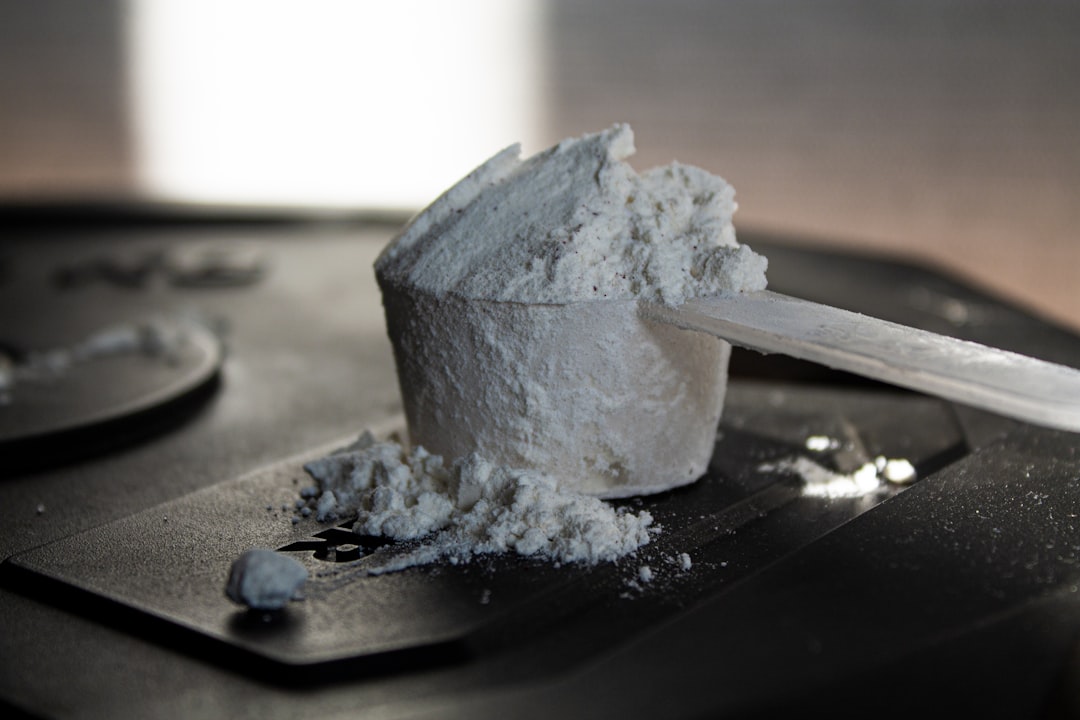
For instance, a scoop of whey protein (around 25g) fits this range. Or, three large eggs provide about 18g of protein. A small chicken breast might offer 30g.
The Importance of Leucine
Leucine acts like a signal. It tells your body to start building muscle. Adequate leucine intake is crucial for MPS.
High-quality protein sources naturally contain leucine. Whey protein is especially rich in this amino acid. Aim for sources that provide ample leucine.
Distributing Daily Protein Intake
Don’t just focus on post-workout protein. Distribute your protein intake throughout the day. This keeps your muscles supplied with amino acids.
Consume 0.25-0.40g of protein per kg of body weight per meal. For a 70kg person, this means 17.5g to 28g per meal. Spread this across 4-5 meals daily.
Older adults may need more protein. About 0.40g/kg body weight per meal is recommended. This helps counteract age- related muscle loss.
Whole Foods vs. Supplements
Whole foods provide excellent protein. They also offer other nutrients. Think chicken, fish, eggs, and dairy products.
For example, 4 ounces of lean chicken breast offers about 30g of protein. A cup of Greek yogurt contains roughly 20g. These foods effectively support muscle remodeling.
While supplements are convenient, they are not always necessary. Whole foods often provide a more comprehensive nutrient profile. There’s no strong evidence mandating supplements over whole foods.
Timing and Flexibility
For a long time, people emphasized an “anabolic window.” This referred to a short period after exercise. The belief was that protein had to be consumed immediately.
Recent research suggests more flexibility. Total daily protein intake is more important. The rigid “window” might not be as critical.
Think of it like watering a plant. You don’t have to water it exactly at 9 AM. As long as it gets enough water throughout the day, it thrives. Your muscles are similar.
The Bigger Picture: Total Daily Protein
Prioritize meeting your overall daily protein goals. Spread your protein intake throughout the day. This consistently provides amino acids to your muscles.
Consuming protein every few hours is beneficial. This strategy maintains elevated MPS levels. It supports continuous muscle repair and growth.
A protein-rich breakfast, lunch, dinner, and a snack. This simple plan can help you reach your daily protein target. Consistency is often key.
BCAAs for Recovery and Synthesis
Branched-chain amino acids (BCAAs) include leucine, isoleucine, and valine. They play a role in muscle recovery. They also aid in muscle protein synthesis.
When considering BCAAs, look for formulas with at least 4g per serving. While helpful, full EAA sources are generally superior. EAAs provide a complete amino acid profile.
For example, a high-quality protein powder offers EAAs including BCAAs. This provides a more comprehensive benefit for muscle growth. It ensures all necessary building blocks are present.
Lifestyle Factors for Optimal Growth
| Metrics | Values |
|---|---|
| Protein Synthesis Rate | 10 g/day |
| Protein Breakdown Rate | 8 g/day |
| Net Protein Balance | 2 g/day |
Beyond nutrition and exercise, other factors contribute. These elements support overall muscle health. They optimize your body’s ability to recover and grow.
Adequate sleep is crucial for muscle repair. When you sleep, your body releases growth hormones. These hormones aid in muscle building.
Stress management also plays a role. High stress can increase cortisol levels. Cortisol can lead to muscle breakdown. Finding ways to relax supports muscle maintenance.
Hydration and Micronutrients
Don’t forget to stay hydrated. Water is essential for every bodily function. It aids nutrient transport and muscle contractions.
A balanced diet provides micronutrients. Vitamins and minerals support muscle health. They help various biochemical processes in your body.
For example, magnesium is involved in muscle function. Vitamin D supports bone health and can influence muscle strength. A varied diet ensures you get these crucial elements.
Consistency is Key
Muscle growth is a gradual process. Consistent effort over time yields the best results. Don’t expect instant changes.
Regular resistance exercise builds strength. Consistent protein intake fuels growth. Adhering to these principles transforms your body over time.
Focus on long-term habits, not quick fixes. This approach leads to sustainable muscle development. Enjoy the journey of becoming stronger.
Practical Tips for Daily Implementation
Incorporate these strategies into your routine. Start with small, manageable changes. Gradually build towards an optimized plan.
Plan your meals ahead of time. This ensures consistent protein intake. Prepare snacks that are rich in protein for convenience.
Examples include packing Greek yogurt or hard-boiled eggs. Keep a protein shake powder handy. These simple steps make it easier to meet your goals.
Track your protein intake for a few days. This helps you understand your current habits. Adjust as needed to hit your targets.
Listen to your body regarding exercise. Allow for adequate rest and recovery. Pushing too hard without rest can hinder progress.
Stay consistent with your workouts. Gradually increase intensity or volume. This progressive overload stimulates continued muscle growth.
Remember, this information guides you. It is not personal medical advice. Consult a doctor or registered dietitian if you have specific health concerns.
FAQs
What is muscle protein turnover?
Muscle protein turnover refers to the balance between muscle protein synthesis (the creation of new muscle proteins) and muscle protein breakdown (the degradation of existing muscle proteins). It is a key process in the maintenance and growth of muscle tissue.
Why is muscle protein turnover important?
Muscle protein turnover is important for maintaining muscle mass, strength, and function. It is also crucial for adapting to exercise, recovering from injury, and responding to changes in dietary protein intake.
How is muscle protein turnover measured?
Muscle protein turnover can be measured using stable isotope tracers, which allow researchers to track the incorporation of amino acids into muscle proteins. Other methods include muscle biopsies, blood tests, and imaging techniques.
What factors influence muscle protein turnover?
Factors that influence muscle protein turnover include exercise, nutrition (especially protein intake), aging, hormonal status, and disease. Resistance training and adequate protein intake are known to stimulate muscle protein synthesis.
How can muscle protein turnover be optimized?
To optimize muscle protein turnover, individuals can engage in regular resistance exercise, consume adequate protein (especially after exercise), and ensure overall good nutrition. Additionally, getting enough sleep and managing stress can also support optimal muscle protein turnover.