
Myostatin inhibitors have gained significant attention in recent years. These compounds target myostatin, a protein that regulates muscle growth. By inhibiting myostatin, researchers aim to enhance muscle mass and strength.
The potential applications span various fields, including medicine and sports. As scientists explore these compounds, they uncover new possibilities for treating muscle-wasting diseases and improving athletic performance.
Key Takeaways
- Myostatin inhibitors show promise in enhancing muscle growth and strength
- Peptides play a crucial role in inhibiting myostatin and promoting muscle growth
- Current research and development is focused on potential medical and sports applications
- Myostatin inhibitors may have potential side effects and safety concerns that need to be addressed
- Ethical and regulatory considerations are important in the use of myostatin inhibitors in sports and medicine
The Role of Myostatin in Muscle Growth
Myostatin plays a crucial role in regulating muscle development. It acts as a negative regulator, limiting muscle cell growth and differentiation. When myostatin levels are high, muscle growth slows down.
Conversely, low levels of myostatin promote muscle hypertrophy. Understanding this balance is essential for developing effective myostatin inhibitors. Researchers focus on how manipulating myostatin can lead to significant gains in muscle mass.
Understanding Peptides and their Role in Myostatin Inhibition
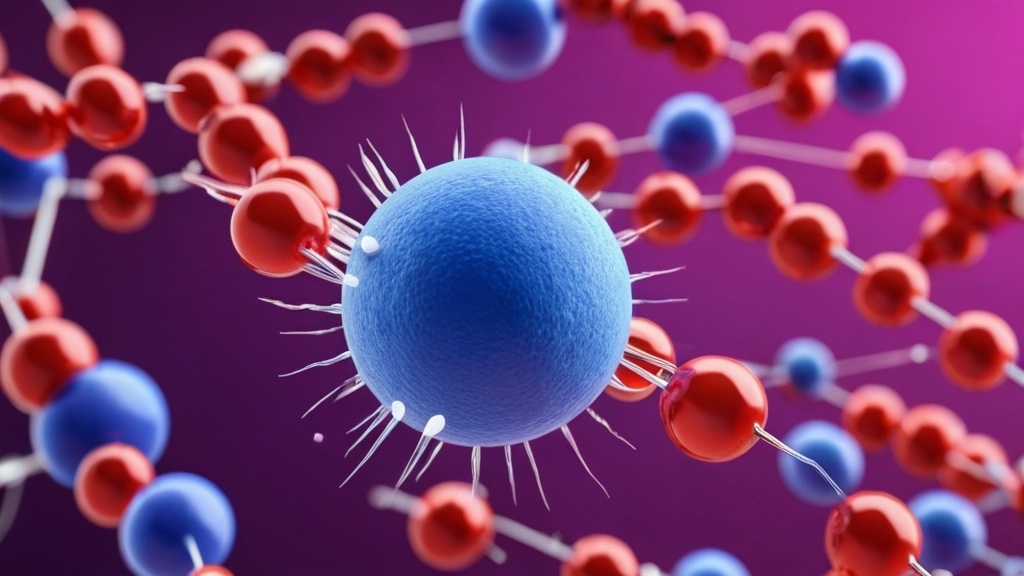
Peptides are short chains of amino acids that play various roles in biological processes. Some peptides can inhibit myostatin activity, promoting muscle growth. These peptides offer a targeted approach to enhancing muscle mass.
Researchers have identified several peptides that show promise in myostatin inhibition. By studying their mechanisms, scientists hope to develop effective therapies for muscle-related conditions. The potential for these peptides extends beyond just muscle growth; they may also improve recovery and overall health.
Current Research and Development
Current research on myostatin inhibitors is rapidly evolving. Scientists are exploring various compounds, including monoclonal antibodies and small molecules. These inhibitors aim to block myostatin’s effects on muscle tissue.
Clinical trials are underway to assess the safety and efficacy of these inhibitors. Early results show promise, with participants experiencing increased muscle mass and strength. Researchers continue to refine these compounds for better outcomes.
Potential Applications in Medicine and Sports
Myostatin inhibitors hold great potential in treating muscle-wasting diseases. Conditions like muscular dystrophy and cachexia could benefit from enhanced muscle growth.
In the sports world, athletes seek ways to enhance performance safely. Myostatin inhibitors could provide a competitive edge by promoting muscle growth without harmful side effects. However, ethical considerations arise regarding their use in competitive sports.
Safety and Side Effects

As with any therapeutic agent, safety is a primary concern for myostatin inhibitors. Researchers conduct extensive studies to identify potential side effects. Common concerns include the risk of excessive muscle growth and related complications.
Long-term effects remain uncertain, necessitating further research. Monitoring participants in clinical trials helps scientists understand the safety profile of these compounds. Ensuring patient safety is paramount as development progresses.
Future Directions in Myostatin Inhibition Research
Future research on myostatin inhibitors will likely focus on optimizing their effectiveness. Scientists aim to develop more potent and selective inhibitors with fewer side effects. This approach could enhance their therapeutic potential.
Additionally, researchers will explore combination therapies that target multiple pathways involved in muscle growth. Such strategies may yield better results for patients with muscle-wasting conditions. The future looks promising as scientists continue to innovate in this field.
The Impact on Muscle Growth and Strength
Myostatin inhibitors can significantly impact muscle growth and strength. By blocking myostatin, these compounds promote increased muscle fiber size and number. This effect can lead to improved physical performance and overall health.
Athletes may experience enhanced recovery times and reduced injury risks with myostatin inhibition. The ability to build muscle more efficiently can transform training regimens. As research progresses, the full extent of these benefits will become clearer.
Regulatory Considerations for Myostatin Inhibitors
Regulatory bodies play a crucial role in the development of myostatin inhibitors. Ensuring safety and efficacy is essential before these compounds reach the market. Researchers must navigate complex regulatory pathways to gain approval for clinical use.
The approval process involves rigorous testing and documentation of results. Regulatory agencies assess both short-term and long-term effects on patients. This scrutiny helps protect public health while fostering innovation in the field.
Ethical and Moral Implications of Myostatin Inhibitors in Sports and Athletics
The use of myostatin inhibitors raises ethical questions in sports and athletics. Concerns about fairness and the integrity of competition arise when discussing performance-enhancing substances. Athletes may feel pressured to use these compounds to remain competitive.
Establishing guidelines for the responsible use of them is essential. Sports organizations must address these issues to maintain a level playing field. Balancing innovation with ethical considerations will shape the future of athletics.
The Promise of Myostatin Inhibitors in Future Growth Science
Myostatin inhibitors represent a promising frontier in growth science. Their potential applications in medicine and sports could revolutionize how we approach muscle growth and recovery.
The journey toward understanding them is just beginning. With ongoing studies, we can anticipate exciting developments that may change lives for the better. The future holds great promise for them as we explore their full potential.
FAQs
What are myostatin inhibitors?
Myostatin inhibitors are a class of compounds that are designed to block the activity of myostatin, a protein that regulates muscle growth. By inhibiting myostatin, these compounds have the potential to increase muscle mass and strength.
How do they work?
Myostatin inhibitors work by binding to myostatin and preventing it from signaling muscle cells to limit their growth. This allows for increased muscle protein synthesis and ultimately leads to greater muscle mass and strength.
What are the potential applications?
Myostatin inhibitors have the potential to be used in the treatment of muscle-wasting conditions such as muscular dystrophy, as well as in the development of therapies for age-related muscle loss and other conditions that result in muscle weakness.
Are there any potential side effects?
While myostatin inhibitors have shown promise in increasing muscle mass and strength, there is still ongoing research to determine their safety and potential side effects. Some studies have suggested that they may have effects on other tissues and organs, so further research is needed to fully understand their safety profile.
What is the current status of research?
Research on myostatin inhibitors is ongoing, with a focus on developing safe and effective compounds for potential therapeutic use. There is also interest in exploring the potential use of them in sports performance and enhancement, although ethical considerations and potential misuse are important factors to consider.