
Dihydrotestosterone (DHT) is a potent androgen hormone derived from testosterone. It plays a crucial role in various bodily functions, including muscle development and maintenance. DHT binds to androgen receptors in muscle tissue, promoting growth and strength. This makes it particularly relevant for bodybuilders seeking to enhance their performance and physique.
In addition to its effects on muscles, DHT influences other areas of health, such as libido and mood. Understanding DHT’s role can help bodybuilders optimize their training and recovery strategies. For instance, a bodybuilder might notice that their strength gains plateau when DHT levels are low, highlighting the hormone’s importance in their fitness journey.
Key Takeaways
- DHT plays a crucial role in muscle growth and strength, making its regulation important for bodybuilders.
- Natural methods like diet, exercise, and supplementation can help manage DHT levels effectively.
- Balancing DHT is essential to optimize bodybuilding results while minimizing risks such as hair loss.
- Over-controlling DHT may lead to potential side effects, highlighting the need for careful management.
- Consulting healthcare professionals is recommended for safe and personalized DHT regulation strategies.
The Impact of DHT on Muscle Growth and Strength
Research indicates that higher levels of DHT correlate with increased muscle mass and strength. A study published in the Journal of Clinical Endocrinology & Metabolism found that individuals with elevated DHT levels experienced greater muscle hypertrophy during resistance training. This suggests that DHT plays a significant role in muscle protein synthesis, which is essential for growth.
Moreover, DHT may enhance recovery after intense workouts. When bodybuilders push their limits, muscle fibers undergo stress and damage. DHT helps repair these fibers, leading to stronger muscles over time. For example, a bodybuilder who incorporates heavy lifting into their routine may benefit from higher DHT levels, allowing for quicker recovery and improved performance in subsequent workouts.
The Importance of DHT Control for Bodybuilders
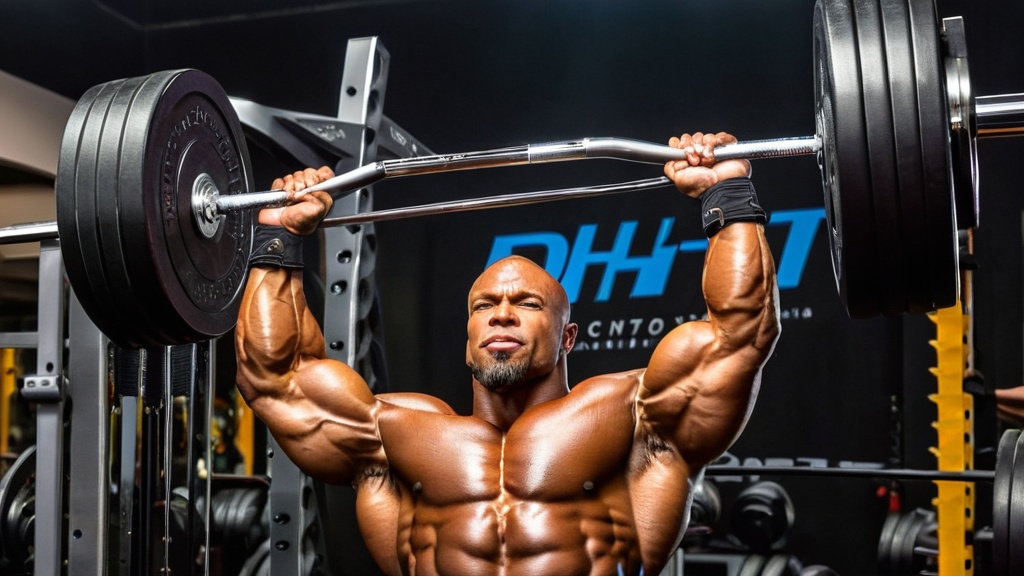
While DHT is beneficial for muscle growth, excessive levels can lead to unwanted side effects. Bodybuilders must find a balance to maximize gains while minimizing risks. High DHT levels can contribute to conditions like acne, aggression, and hair loss. Therefore, controlling DHT is essential for maintaining overall health and well-being.
Monitoring DHT levels can also help bodybuilders avoid hormonal imbalances. An imbalance may hinder progress or lead to adverse effects on mood and energy levels. For instance, a bodybuilder experiencing mood swings or fatigue might benefit from assessing their DHT levels to ensure they remain within a healthy range.
Natural Ways to Regulate DHT Levels

Several natural methods exist to help regulate DHT levels effectively. One approach involves lifestyle changes, such as managing stress and getting adequate sleep. Chronic stress can elevate cortisol levels, which may negatively impact testosterone and DHT production. Prioritizing relaxation techniques like yoga or meditation can help maintain hormonal balance.
Another effective strategy is to incorporate specific foods into your diet. Foods rich in zinc, such as oysters and pumpkin seeds, can support healthy testosterone levels, indirectly influencing DHT production. Additionally, consuming healthy fats from sources like avocados and olive oil can promote overall hormonal health.
The Role of Diet in DHT Control
| Metric | Description | Typical Range | Relevance to Bodybuilding |
|---|---|---|---|
| DHT Levels (Dihydrotestosterone) | Concentration of DHT hormone in blood (ng/dL) | 30 – 85 ng/dL | High DHT promotes muscle growth but may increase hair loss risk |
| 5-Alpha Reductase Activity | Enzyme converting testosterone to DHT | Variable; influenced by genetics and supplements | Controlling this enzyme can modulate DHT levels for muscle and hair health |
| Testosterone Levels | Total testosterone concentration (ng/dL) | 300 – 1000 ng/dL | Precursor to DHT; essential for muscle mass and strength |
| DHT/Testosterone Ratio | Ratio indicating conversion efficiency | 0.05 – 0.15 | Higher ratio may indicate increased androgenic effects |
| Use of 5-Alpha Reductase Inhibitors | Supplements or drugs that reduce DHT production | Common: Finasteride, Dutasteride | May reduce hair loss but potentially impact muscle gains |
| Muscle Mass Gain Rate | Average weekly muscle gain (lbs/week) | 0.25 – 0.5 lbs/week (natural) | DHT influences anabolic environment for muscle growth |
| Hair Loss Incidence | Percentage of bodybuilders experiencing hair thinning | 30% – 50% | Linked to elevated DHT levels and genetic predisposition |
Diet plays a significant role in regulating DHT levels. Certain foods can either promote or inhibit DHT production. For example, foods high in saturated fats may increase DHT levels, while those rich in omega-3 fatty acids can help lower them. Incorporating fatty fish like salmon or walnuts into your meals can support a balanced hormonal environment.
Moreover, some studies suggest that green tea may help regulate DHT levels due to its high content of catechins. These compounds can inhibit the enzyme responsible for converting testosterone into DHT. Drinking green tea regularly could be a simple yet effective way for bodybuilders to manage their DHT levels while enjoying a refreshing beverage.
The Influence of Exercise on DHT Levels
Exercise significantly impacts hormone levels, including DHT. Resistance training, in particular, has been shown to boost testosterone and subsequently increase DHT levels. A study published in the Journal of Strength and Conditioning Research found that individuals who engaged in regular strength training experienced higher levels of both testosterone and DHT compared to sedentary individuals.
However, the type and intensity of exercise matter. High-intensity interval training (HIIT) can also elevate testosterone levels, leading to increased DHT production. For bodybuilders, incorporating a mix of resistance training and HIIT into their routines can optimize hormonal responses and support muscle growth.
Supplementation for DHT Regulation
Some bodybuilders consider supplements to help regulate DHT levels effectively. Natural supplements like saw palmetto have gained popularity for their potential to inhibit the enzyme 5-alpha-reductase, which converts testosterone into DHT. Research suggests that saw palmetto may help maintain healthy DHT levels without compromising testosterone production.
Another supplement worth considering is nettle root extract. Some studies indicate that it may also inhibit 5-alpha-reductase activity, potentially supporting balanced hormone levels. However, it’s essential to approach supplementation cautiously and consult with a healthcare professional before starting any new regimen.
The Connection Between DHT and Hair Loss
DHT is often linked to hair loss, particularly in men. It binds to hair follicles, leading to miniaturization and eventual hair thinning or loss. This condition is known as androgenetic alopecia or male pattern baldness. Bodybuilders concerned about hair loss may want to monitor their DHT levels closely.
While some degree of hair loss is genetic, managing DHT levels can help mitigate this issue for some individuals. For example, a bodybuilder experiencing thinning hair might explore natural methods to regulate their DHT while continuing their fitness journey without compromising their appearance.
Balancing DHT Levels for Optimal Bodybuilding Results
Achieving optimal bodybuilding results requires balancing DHT levels effectively. Too little DHT can hinder muscle growth and recovery, while too much can lead to unwanted side effects. Bodybuilders should aim for a middle ground that supports their fitness goals without compromising overall health.
Regular monitoring of hormone levels through blood tests can provide valuable insights into individual needs. By understanding their unique hormonal profile, bodybuilders can tailor their training and nutrition strategies accordingly. This personalized approach can lead to better results and improved well-being.
Potential Risks and Side Effects of DHT Control
While managing DHT levels is essential for bodybuilders, it’s crucial to be aware of potential risks associated with excessive control measures. Over-suppression of DHT can lead to decreased libido, fatigue, and mood changes. Additionally, some medications aimed at lowering DHT may have side effects that could impact overall health.
Bodybuilders should prioritize safe methods for regulating their hormones rather than resorting to extreme measures or unverified supplements. Consulting with a healthcare professional can help ensure that any approach taken is both effective and safe.
Consulting with a Healthcare Professional for DHT Management
Before making significant changes to your diet or exercise routine aimed at regulating DHT levels, consulting with a healthcare professional is vital. They can provide personalized advice based on individual health needs and goals. A healthcare provider can also recommend appropriate tests to assess hormone levels accurately.
Working with a professional ensures that bodybuilders take informed steps toward managing their hormones safely and effectively. This collaboration can lead to better results in the gym while maintaining overall health and well-being.
In conclusion, understanding the role of DHT in bodybuilding is essential for optimizing performance and health. By regulating this hormone through natural methods like diet and exercise, bodybuilders can achieve their goals while minimizing potential risks associated with hormonal imbalances. Always prioritize safety and consult with professionals when needed to ensure the best outcomes on your fitness journey.