
Bodybuilding can be an exhilarating journey, but it comes with inherent risks. Many enthusiasts push their bodies to the limit, often ignoring warning signs. This can lead to injuries, chronic pain, or even long-term health issues.
Overtraining is a common risk in bodybuilding. It occurs when individuals train too hard without adequate recovery. This can result in fatigue, decreased performance, and increased susceptibility to injuries.
Key Takeaways
- Recognize and manage the risks associated with bodybuilding to ensure safety.
- Use proper training techniques and nutrition to support muscle growth and overall health.
- Monitor hormone levels and avoid overtraining to prevent injury and burnout.
- Prioritize rest, recovery, and mental well-being for sustainable progress.
- Seek professional guidance and avoid performance-enhancing drugs for a balanced approach.
Implementing Safe Training Techniques
To minimize risks, safe training techniques are essential. Start with proper warm-ups to prepare your muscles and joints. Dynamic stretches and light cardio can enhance blood flow and flexibility.
Focus on form and technique during exercises. Poor form can lead to injuries and hinder progress.
Importance of Proper Nutrition and Supplementation

Nutrition plays a crucial role in bodybuilding success. A balanced diet fuels workouts and aids recovery. Prioritize whole foods, including lean proteins, healthy fats, and complex carbohydrates.
Supplementation can support your nutritional needs. However, choose supplements wisely and consult a healthcare professional. Not all supplements are necessary or beneficial for everyone.
Monitoring and Managing Hormone Levels
Hormones significantly impact muscle growth and recovery. Testosterone, for example, plays a vital role in building muscle mass. Regular check-ups can help monitor hormone levels effectively.
If you notice unusual changes in energy or mood, consult a doctor. They can assess your hormone levels and recommend appropriate actions. Maintaining hormonal balance is crucial for optimal performance.
Recognizing the Signs of Overtraining and Injury
| Metric | Description | Typical Range | Harm Reduction Strategies |
|---|---|---|---|
| Protein Intake (grams/day) | Amount of protein consumed to support muscle growth | 1.2 – 2.2 g/kg body weight | Use whole food sources, avoid excessive supplementation |
| Training Frequency (sessions/week) | Number of resistance training sessions per week | 3 – 6 sessions | Incorporate rest days to prevent overtraining |
| Supplement Use | Use of performance or recovery supplements | Varies (e.g., creatine, BCAAs) | Choose evidence-based supplements, avoid unregulated substances |
| Body Fat Percentage (%) | Proportion of fat mass relative to total body weight | 8 – 15% (male), 15 – 22% (female) | Avoid extreme dieting to reduce health risks |
| Hydration (liters/day) | Daily water intake to maintain performance and recovery | 2 – 3 liters | Monitor urine color, avoid dehydration |
| Sleep Duration (hours/night) | Amount of sleep for recovery and muscle growth | 7 – 9 hours | Maintain consistent sleep schedule |
| Injury Rate (%) | Percentage of training sessions resulting in injury | 5 – 15% | Use proper technique, warm-up, and progressive overload |
Recognizing overtraining signs is vital for long-term success. Symptoms include persistent fatigue, irritability, and decreased performance. If you experience these, consider adjusting your training regimen.
Injuries can also arise from overtraining or improper techniques. Pay attention to pain signals from your body. Ignoring them can lead to more severe injuries that require extended recovery periods.
Utilizing Rest and Recovery Strategies
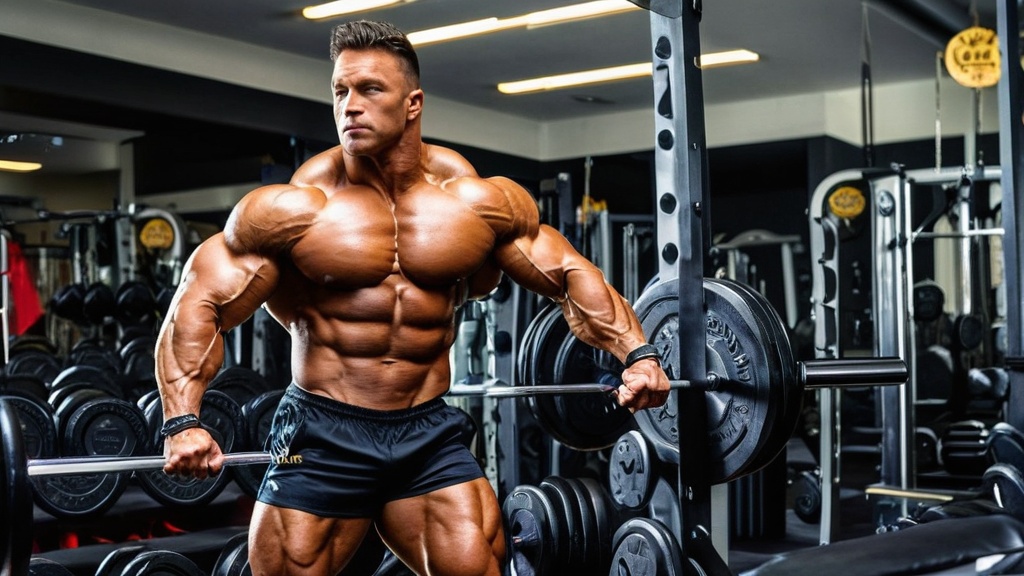
Rest and recovery are as important as training itself. Incorporate rest days into your routine to allow muscles to heal. Active recovery, such as light stretching or walking, can also be beneficial.
Sleep is another critical component of recovery. Aim for 7-9 hours of quality sleep each night. This helps your body repair itself and prepares you for future workouts.
Avoiding the Use of Performance-Enhancing Drugs
Performance-enhancing drugs pose significant risks to health and well-being. While they may promise quick results, the long-term consequences can be severe. These substances can lead to hormonal imbalances and other health issues.
Consistent training, proper nutrition, and adequate rest yield sustainable results without harmful side effects.
Seeking Professional Guidance and Support
Professional guidance can enhance your bodybuilding journey. A qualified trainer can provide personalized workout plans tailored to your goals. They can also help you avoid common pitfalls and ensure safe practices.
Consider joining a supportive community or group. Surrounding yourself with like-minded individuals fosters motivation and accountability. Sharing experiences can also provide valuable insights into effective strategies.
Embracing a Balanced and Sustainable Approach
A balanced approach to bodybuilding promotes long-term success. Avoid extreme diets or training regimens that are unsustainable. Instead, focus on gradual progress that fits your lifestyle.
Incorporate variety into your workouts to prevent boredom and burnout. Explore different training styles or activities that keep you engaged. This not only enhances enjoyment but also supports overall fitness.
Prioritizing Mental and Emotional Well-being
Mental health is just as important as physical health in bodybuilding. Stress and anxiety can hinder performance and motivation. Practice mindfulness techniques such as meditation or deep breathing exercises.
Set realistic goals to maintain a positive mindset. Celebrate small achievements along the way to boost confidence. A healthy mental state enhances your overall bodybuilding experience.
Celebrating Progress and Achievements in a Healthy Manner
Recognizing progress is essential for motivation in bodybuilding. Celebrate milestones, whether big or small, to acknowledge your hard work. This reinforces positive behavior and encourages continued effort.
However, ensure that celebrations remain healthy and balanced. Avoid using food or unhealthy habits as rewards. Instead, treat yourself to experiences or activities that promote well-being and joy.
In conclusion, bodybuilding offers numerous benefits but requires careful consideration of risks and strategies for success. By understanding the importance of safe training techniques, proper nutrition, hormone management, and mental well-being, individuals can enjoy a fulfilling journey in bodybuilding while minimizing potential pitfalls. Embrace a balanced approach that prioritizes health over quick results, ensuring a sustainable path toward achieving your fitness goals.