Antioxidants are compounds that help protect our cells from damage caused by free radicals. Free radicals are unstable molecules that can harm cells, leading to inflammation and various health issues. Common antioxidants include vitamins C and E, selenium, and flavonoids. These nutrients play a crucial role in maintaining overall health and supporting muscle growth.
When it comes to muscle growth, antioxidants can be particularly beneficial. They help reduce oxidative stress, which can hinder recovery and muscle development. By neutralizing free radicals, antioxidants support the body’s ability to repair and build muscle tissue after exercise. This is especially important for athletes and fitness enthusiasts who engage in intense training.
Key Takeaways
- Antioxidants help reduce oxidative stress, which can hinder muscle growth.
- Consuming antioxidant-rich foods supports muscle recovery and development.
- Timing antioxidant intake around workouts can maximize muscle growth benefits.
- Proper hydration enhances the effectiveness of antioxidants in muscle repair.
- Avoid excessive antioxidant supplementation and seek professional guidance for personalized advice.
The Role of Antioxidants in Reducing Oxidative Stress
Oxidative stress occurs when there is an imbalance between free radicals and antioxidants in the body. This imbalance can lead to cellular damage and inflammation, which may negatively impact muscle recovery and growth. Antioxidants counteract this process by neutralizing free radicals, thus reducing oxidative stress.
Research shows that a diet rich in antioxidants can enhance recovery after exercise. For instance, a study published in the Journal of the International Society of Sports Nutrition found that antioxidant supplementation improved recovery markers in athletes. This suggests that incorporating antioxidants into your diet can help mitigate the effects of oxidative stress during intense workouts.
How Oxidative Stress Impacts Muscle Growth

Oxidative stress can significantly affect muscle growth by impairing protein synthesis and promoting muscle breakdown. When free radicals accumulate, they can damage muscle fibers, leading to delayed recovery and reduced performance. This is particularly concerning for those who engage in resistance training or high-intensity workouts.
Moreover, oxidative stress can trigger inflammation, which may further hinder muscle repair. A study in the journal Free Radical Biology and Medicine highlighted that excessive oxidative stress could lead to muscle atrophy. Therefore, managing oxidative stress through antioxidants is essential for anyone looking to maximize their muscle growth potential.
The Best Antioxidant-Rich Foods for Muscle Growth

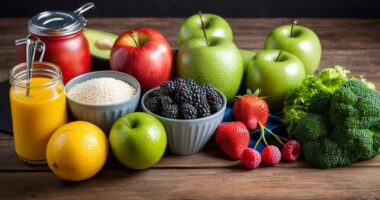
Incorporating antioxidant-rich foods into your diet can support muscle growth effectively. Fruits and vegetables are excellent sources of antioxidants. Berries, such as blueberries and strawberries, are particularly high in flavonoids, which have been shown to reduce inflammation and promote recovery.
Leafy greens like spinach and kale also provide a wealth of antioxidants, including vitamins A and Nuts and seeds, such as walnuts and sunflower seeds, are rich in vitamin E, another powerful antioxidant. Including a variety of these foods in your meals can help ensure you get a broad spectrum of antioxidants to support your fitness goals.
Supplementing with Antioxidants for Muscle Growth
| Antioxidant | Role in Muscle Growth | Common Sources | Effect on Muscle Recovery | Recommended Daily Intake |
|---|---|---|---|---|
| Vitamin C | Supports collagen synthesis, reduces oxidative stress | Citrus fruits, strawberries, bell peppers | Enhances recovery by reducing muscle soreness | 75-90 mg |
| Vitamin E | Protects muscle cells from oxidative damage | Nuts, seeds, spinach | May reduce muscle damage post-exercise | 15 mg |
| Glutathione | Key intracellular antioxidant, supports muscle repair | Spinach, avocados, asparagus | Improves muscle recovery and reduces fatigue | Endogenously produced; no set RDI |
| Coenzyme Q10 | Supports mitochondrial function and energy production | Meat, fish, whole grains | May enhance muscle endurance and recovery | 30-200 mg |
| Polyphenols | Reduce inflammation and oxidative stress in muscles | Berries, green tea, dark chocolate | Supports faster recovery and muscle growth | No specific RDI |
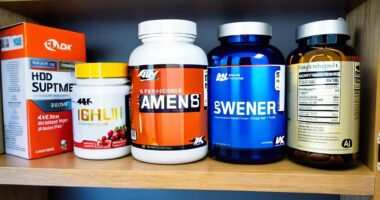
While obtaining antioxidants from food is ideal, some individuals may consider supplementation. Antioxidant supplements can be beneficial for those with specific dietary restrictions or increased oxidative stress due to intense training. However, it’s essential to choose high-quality supplements from reputable sources.
Research indicates that certain supplements, like vitamin C and E, may aid recovery after exercise. A study published in the journal Sports Medicine found that vitamin C supplementation improved recovery markers in athletes. However, it’s crucial to approach supplementation cautiously and not rely solely on pills for antioxidant intake.
Timing Antioxidant Consumption for Maximum Muscle Growth
Timing your antioxidant intake can enhance its benefits for muscle growth. Consuming antioxidants around your workout can help reduce oxidative stress caused by exercise. For example, having a smoothie with berries before or after your workout can provide a quick source of antioxidants.
Additionally, post-workout meals rich in antioxidants can aid recovery. A study in the Journal of Nutrition found that consuming antioxidant-rich foods after exercise improved recovery markers in athletes. Therefore, planning your meals around your workout schedule can optimize the benefits of antioxidants for muscle growth.
Antioxidant-Rich Pre-Workout and Post-Workout Meals
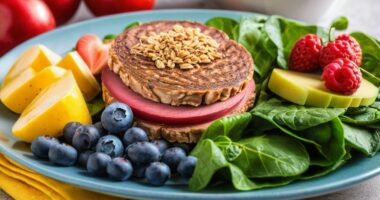
Creating pre-workout and post-workout meals rich in antioxidants can support your fitness journey. For a pre-workout snack, consider a banana with almond butter or a bowl of oatmeal topped with berries. These options provide energy while delivering essential antioxidants.
For post-workout recovery, a smoothie made with spinach, banana, and a scoop of protein powder can be an excellent choice. This meal not only replenishes lost nutrients but also provides antioxidants to combat oxidative stress from your workout. Incorporating these meals into your routine can enhance recovery and support muscle growth.
The Importance of Hydration in Maximizing Antioxidant Benefits for Muscle Growth
Staying hydrated is crucial for overall health and optimizing the benefits of antioxidants. Water helps transport nutrients throughout the body, including antioxidants from food or supplements. Proper hydration also supports muscle function and recovery.
Dehydration can exacerbate oxidative stress, making it harder for your body to recover after exercise. Aim to drink water consistently throughout the day, especially before, during, and after workouts. This simple habit can significantly enhance the effectiveness of the antioxidants you consume.
Combining Antioxidants with Exercise for Enhanced Muscle Growth
Combining regular exercise with a diet rich in antioxidants creates a powerful synergy for muscle growth. Exercise itself generates free radicals; however, when paired with antioxidant-rich foods, you can mitigate their effects. This combination promotes better recovery and enhances overall performance.
For example, engaging in resistance training while consuming antioxidant-rich foods like berries or dark chocolate can improve muscle repair processes. A study published in the Journal of Applied Physiology found that combining exercise with antioxidant intake led to better muscle adaptation over time.
Avoiding Overconsumption of Antioxidants and Potential Side Effects
While antioxidants are beneficial, overconsumption can lead to adverse effects. Excessive intake of antioxidant supplements may interfere with the body’s natural processes and could potentially hinder muscle growth. Balance is key; focus on obtaining antioxidants primarily from whole foods.
A study published in the journal Nature found that high doses of certain antioxidant supplements could negate some benefits of exercise training. Therefore, it’s essential to approach supplementation thoughtfully and prioritize a balanced diet rich in natural sources of antioxidants.
Consulting with a Nutritionist or Dietitian for Personalized Antioxidant Recommendations
For personalized guidance on incorporating antioxidants into your diet, consider consulting a nutritionist or dietitian. These professionals can assess your individual needs based on your activity level, dietary preferences, and health goals. They can help you create a tailored plan that maximizes the benefits of antioxidants for muscle growth.
Working with a nutrition expert ensures you receive evidence-based recommendations that align with your lifestyle. They can also help you navigate potential food allergies or intolerances while ensuring you meet your nutritional needs effectively.
In conclusion, understanding the role of antioxidants in muscle growth is essential for anyone looking to enhance their fitness journey. By incorporating antioxidant-rich foods into your diet, timing your intake wisely, and staying hydrated, you can support your body’s recovery processes effectively. Remember to maintain balance and consult with professionals when needed to optimize your approach to nutrition and exercise for maximum results.