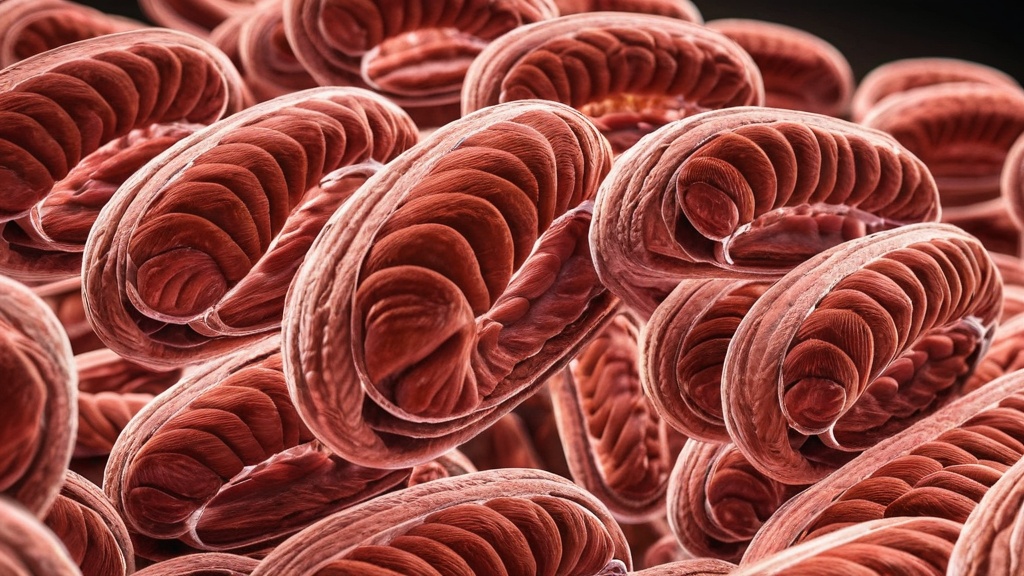

You might not think about them much, but tiny powerhouses live inside your cells. These microscopic workers, called mitochondria, fuel your every move. Understanding them unlocks your muscle’s full potential.
Mitochondria are often called our cells’ power plants. They convert food into usable energy. This energy lets your muscles contract and perform. Without healthy mitochondria, your muscles simply cannot work their best.
The Role of ATP in Muscle Function
Mitochondria produce adenosine triphosphate (ATP). ATP is the body’s main energy currency. Think of it like cash for your cells. Muscles need a lot of ATP to contract, whether you are lifting weights or walking.
Why Healthy Mitochondria Matter
Strong mitochondria mean more efficient energy production. This translates to better athletic performance. You experience less fatigue and faster recovery. It also supports overall health and well-being.
Fueling Your Power Plants
What you eat directly impacts your mitochondria. Just like a car needs good fuel, your mitochondria need specific nutrients. These nutrients help them work optimally.
The Importance of Macronutrients
Proteins, carbohydrates, and fats are essential. Carbohydrates are a primary energy source. Proteins rebuild and repair muscle tissue. Healthy fats support mitochondrial membrane integrity.
Micronutrients for Mitochondrial Health
Vitamins and minerals play crucial roles. B vitamins are vital for energy metabolism. Magnesium and iron are also important. They act as cofactors in mitochondrial reactions.
Antioxidants: Your Mitochondria’s Best Friends
Mitochondria produce reactive oxygen species (ROS) during energy production. These can cause damage. Antioxidants neutralize ROS, protecting mitochondrial health. Berries, leafy greens, and nuts are great sources. For example, imagine a factory producing some waste. Antioxidants are like the waste management team, keeping everything clean and efficient.
Training for Mitochondrial Growth
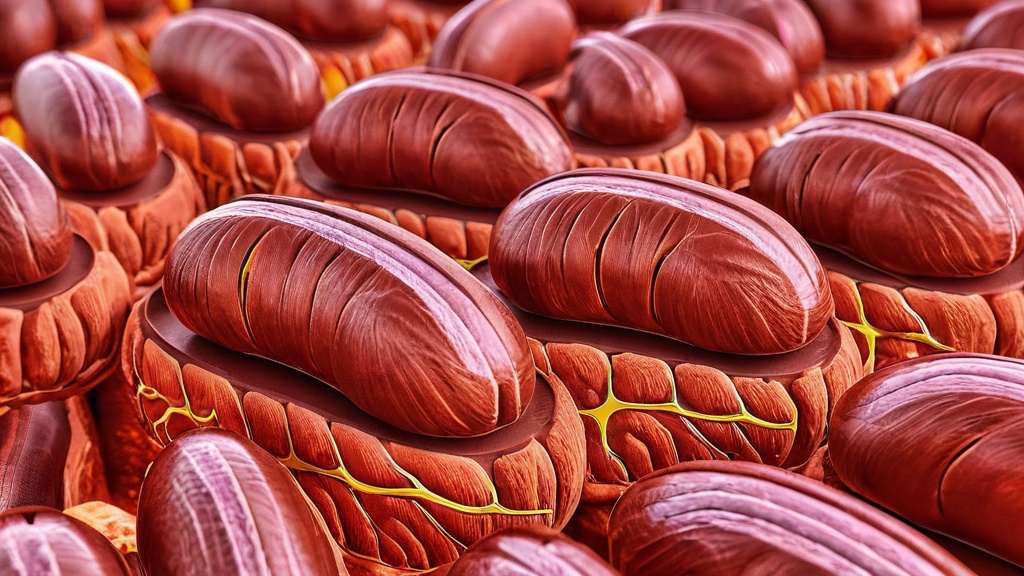
Exercise is a powerful stimulus for mitochondrial adaptation. Your workouts can literally build more mitochondria. They can also improve existing ones.
High-Intensity Interval Training (HIIT)
HIIT involves short bursts of intense exercise. These are followed by brief recovery periods. Studies show HIIT significantly boosts mitochondrial biogenesis. One study published in Cell Metabolism highlighted its effectiveness in increasing mitochondrial capacity.
Endurance Training Benefits
Longer, sustained efforts also enhance mitochondrial function. Running, swimming, or cycling fall into this category. Endurance training increases the number and efficiency of mitochondria. This allows muscles to sustain effort for longer periods.
The “Use It Or Lose It” Principle
Muscles adapt to demands. If you consistently challenge your muscles, their mitochondria proliferate. If you stop exercising, mitochondrial numbers can decline. This means regular activity is key.
Beyond Exercise: Lifestyle Factors
Exercise and nutrition are key. But other lifestyle choices also influence mitochondrial health. These choices can significantly impact your muscle performance.
Quality Sleep for Recovery
Sleep is when your body repairs and rebuilds. This includes mitochondrial repair and growth. Aim for consistent, restorative sleep. Insufficient sleep can impair mitochondrial function. The National Sleep Foundation recommends 7-9 hours for adults.
Stress Management Techniques
Chronic stress elevates cortisol levels. High cortisol can negatively impact mitochondria. Practices like meditation or spending time in nature can help. Reducing stress supports mitochondrial resilience. Think of stress as an alarm blaring constantly; it wears down the battery.
Hydration: A Simple Essential
Water is crucial for all bodily functions. This includes mitochondrial energy production. Dehydration can impair performance. Drink plenty of water throughout the day. It’s like ensuring your car has enough coolant. The American Journal of Clinical Nutrition emphasizes water’s role in cellular processes.
Enhancing Mitochondrial Function Safely
| Metrics | Value |
|---|---|
| Mitochondrial Density | High |
| Mitochondrial Volume | Varies by muscle type |
| Mitochondrial Function | Energy production through oxidative phosphorylation |
| Mitochondrial Biogenesis | Regulated by exercise and nutrition |
Some supplements and strategies show promise. Always approach these with caution. They should complement, not replace, a healthy lifestyle. Remember, these are general tips, not personal medical advice.
Creatine Supplementation
Creatine is widely studied and effective. It helps regenerate ATP quickly. This is especially beneficial for high-intensity, short-duration activities. It can modestly enhance strength and power output. The Journal of the International Society of Sports Nutrition provides extensive research on its safety and efficacy.
Coenzyme Q10 (CoQ10)
CoQ10 is an antioxidant and plays a role in the electron transport chain. This is a key part of ATP production. Some studies suggest it might improve exercise capacity in certain populations. However, effects on healthy, active individuals are less conclusive.
Alpha-Lipoic Acid
Alpha-lipoic acid is another powerful antioxidant. It also helps regenerate other antioxidants. Some research suggests it might support mitochondrial function. More research is needed to confirm its direct impact on muscle performance.
Cold Exposure
Short, controlled exposure to cold may stimulate mitochondrial biogenesis. This means your body creates new mitochondria. Cold showers or ice baths are examples. Always introduce cold exposure gradually and safely.
Building Your Mitochondrial Blueprint
Optimizing muscle performance starts within your cells. By understanding your mitochondria, you gain control over your energy. It’s about empowering your body from the inside out. Implement these strategies consistently. You’ll likely see improvements in strength, endurance, and overall vitality.
Imagine you’re trying to build a strong house. You wouldn’t just focus on the walls. You’d also ensure the foundation and electricity are sound. Mitochondria are your body’s electrical system and a key part of your foundation. Prioritize their health. Your muscles will thank you.
FAQs
What are muscle mitochondria?
Muscle mitochondria are organelles found in muscle cells that are responsible for producing energy in the form of adenosine triphosphate (ATP) through the process of cellular respiration.
What is the function of muscle mitochondria?
The primary function of muscle mitochondria is to generate ATP, which is the main energy currency of the cell. This energy is essential for muscle contraction and other cellular processes.
How do muscle mitochondria produce energy?
Muscle mitochondria produce energy through a series of biochemical reactions known as the citric acid cycle and oxidative phosphorylation. These processes involve the breakdown of carbohydrates, fats, and proteins to generate ATP.
What factors can affect muscle mitochondria function?
Factors such as exercise, diet, age, and certain diseases can impact the function of muscle mitochondria. Regular physical activity and a balanced diet can promote the health and efficiency of muscle mitochondria.
Why are muscle mitochondria important for muscle function?
Muscle mitochondria are crucial for muscle function because they provide the energy needed for muscle contraction and other activities. They play a key role in maintaining muscle strength, endurance, and overall performance.