Bodybuilding training requires attention to both macronutrients and micronutrients for optimal results. While proteins, carbohydrates, and fats form the foundation of a bodybuilder’s diet, vitamins and minerals are equally essential. Micronutrients facilitate critical bodily functions including energy metabolism, muscle protein synthesis, immune function, and recovery processes.
A comprehensive understanding of micronutrient requirements enables athletes to improve training performance and maintain overall health. Many athletes prioritize calorie and macronutrient calculations while underestimating micronutrient intake. This imbalance can compromise athletic performance and slow recovery between training sessions.
A well-rounded nutritional strategy that addresses both macronutrient and micronutrient needs allows bodybuilders to achieve superior training outcomes and support sustained health throughout their athletic careers.
Key Takeaways
- Micronutrients are crucial for muscle growth, repair, and overall bodybuilding performance.
- Key micronutrients include vitamins, minerals, and antioxidants that support energy metabolism and recovery.
- Proper timing and dosage of micronutrient intake enhance absorption and effectiveness.
- Deficiencies can impair strength, endurance, and muscle repair, negatively affecting progress.
- Combining supplements with nutrient-rich foods and monitoring intake optimizes bodybuilding results.
The Role of Micronutrients in Muscle Growth and Repair
Micronutrients contribute significantly to muscle growth and repair. Vitamins and minerals assist in energy metabolism, protein synthesis, and muscle contraction. For instance, vitamin D plays a role in calcium absorption, which is essential for muscle function.
Without adequate levels of vitamin D, muscle contractions may weaken, hindering performance. Moreover, antioxidants like vitamins C and E help reduce oxidative stress caused by intense workouts. This stress can lead to muscle damage and delayed recovery.
By neutralizing free radicals, these vitamins support faster recovery and improved muscle repair, allowing bodybuilders to train harder and more frequently.
Essential Micronutrients for Bodybuilders

Several micronutrients are particularly important for bodybuilders. Magnesium is one such mineral that supports muscle function and energy production. It helps convert food into energy and plays a role in muscle contraction.
A deficiency in magnesium can lead to cramps and fatigue during workouts. Zinc is another essential micronutrient for bodybuilders. It supports protein synthesis and hormone production, including testosterone.
Adequate zinc levels can enhance muscle growth and recovery. Foods rich in zinc include meat, shellfish, legumes, and seeds.
The Importance of Timing and Dosage of Micronutrient Intake
Timing and dosage of micronutrient intake can significantly impact bodybuilding results. Consuming certain vitamins and minerals around workout times can enhance their effectiveness. For example, taking vitamin C post-workout may help reduce muscle soreness due to its antioxidant properties.
Dosage also matters. While some micronutrients are safe in higher amounts, others can be harmful if overconsumed. For instance, excessive vitamin A can lead to toxicity.
It’s essential to follow recommended dietary allowances (RDAs) for each micronutrient to ensure safety while maximizing benefits.
Micronutrient Deficiency and Its Impact on Bodybuilding Performance
| Micronutrient | Role in Bodybuilding | Recommended Daily Intake | Food Sources | Notes |
|---|---|---|---|---|
| Vitamin D | Supports muscle function and strength | 600-800 IU | Fatty fish, fortified milk, sunlight | Deficiency linked to muscle weakness |
| Magnesium | Muscle contraction and relaxation, energy production | 310-420 mg | Nuts, seeds, spinach, whole grains | Helps reduce muscle cramps |
| Iron | Oxygen transport to muscles, energy metabolism | 8-18 mg | Red meat, beans, spinach | Important for endurance and recovery |
| Zinc | Protein synthesis and immune function | 8-11 mg | Meat, shellfish, legumes | Supports muscle repair |
| Calcium | Muscle contraction and bone health | 1000-1300 mg | Dairy, leafy greens, fortified products | Essential for muscle function |
| Vitamin B12 | Red blood cell formation and energy metabolism | 2.4 mcg | Meat, dairy, eggs | Important for energy and recovery |
| Potassium | Electrolyte balance and muscle contractions | 2600-3400 mg | Bananas, potatoes, spinach | Prevents muscle cramps |
Micronutrient deficiencies can severely impact bodybuilding performance. A lack of iron, for example, can lead to anemia, resulting in fatigue and decreased endurance. This condition can hinder a bodybuilder’s ability to train effectively.
Similarly, insufficient vitamin D levels can affect muscle strength and recovery. Research shows that athletes with low vitamin D levels may experience more injuries and longer recovery times. Addressing these deficiencies through diet or supplementation is crucial for maintaining peak performance.
Micronutrient Supplements for Bodybuilders

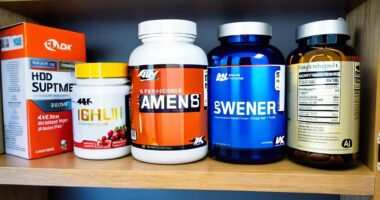
While a balanced diet should provide most micronutrients, some bodybuilders may benefit from supplements. Multivitamins can help fill gaps in nutrition, especially for those with restrictive diets. However, it’s essential to choose high-quality supplements that meet safety standards.
Specific supplements like creatine may also contain added micronutrients that support muscle growth. Creatine itself enhances energy production during high-intensity workouts, while the added vitamins can further support overall health. Always consult with a healthcare professional before starting any new supplement regimen.
Best Food Sources of Micronutrients for Bodybuilders
Incorporating a variety of foods into your diet is the best way to ensure adequate micronutrient intake. Leafy greens like spinach and kale are rich in vitamins A, C, and K. Nuts and seeds provide essential minerals like magnesium and zinc.
Animal products such as lean meats, fish, and dairy are excellent sources of several micronutrients, including B vitamins and calcium. For vegetarians or vegans, legumes, whole grains, and fortified foods can help meet nutritional needs. A diverse diet not only supports muscle growth but also promotes overall health.
Micronutrient Absorption and Bioavailability
Understanding how the body absorbs micronutrients is crucial for optimizing intake. Some nutrients are better absorbed when consumed with certain foods. For example, vitamin D enhances calcium absorption when taken together with fatty foods.
On the other hand, some compounds can inhibit absorption. Phytates found in whole grains can bind to minerals like iron and zinc, reducing their bioavailability. Cooking methods such as soaking or fermenting can improve nutrient absorption from plant-based foods.
Micronutrient Interactions and Synergies for Bodybuilding Performance
Micronutrients often work together synergistically to enhance performance. For instance, vitamin C aids in the absorption of iron from plant sources. This interaction is particularly beneficial for bodybuilders who rely on plant-based diets.
Additionally, B vitamins play a crucial role in energy metabolism. They work together to convert carbohydrates into usable energy during workouts. Ensuring a balanced intake of these vitamins can help bodybuilders maintain energy levels throughout their training sessions.
Monitoring and Adjusting Micronutrient Intake for Optimal Results
Monitoring micronutrient intake is essential for bodybuilders aiming for optimal results. Keeping a food diary can help track daily consumption of vitamins and minerals. This practice allows individuals to identify any deficiencies or imbalances in their diet.
Regular blood tests can also provide insights into micronutrient levels. If deficiencies are detected, adjustments can be made through dietary changes or supplementation. Staying proactive about micronutrient intake ensures that bodybuilders maintain peak performance and overall health.
Conclusion and Recommendations for Micronutrient Optimization in Bodybuilding
In conclusion, micronutrients play a vital role in bodybuilding success. They support muscle growth, repair, and overall health. Bodybuilders should prioritize a balanced diet rich in fruits, vegetables, whole grains, lean proteins, and healthy fats to meet their micronutrient needs.
Consider timing your intake around workouts for maximum benefits. If necessary, consult with a healthcare professional about supplementation to address any deficiencies. By focusing on micronutrient optimization, bodybuilders can enhance their performance and achieve their fitness goals more effectively.