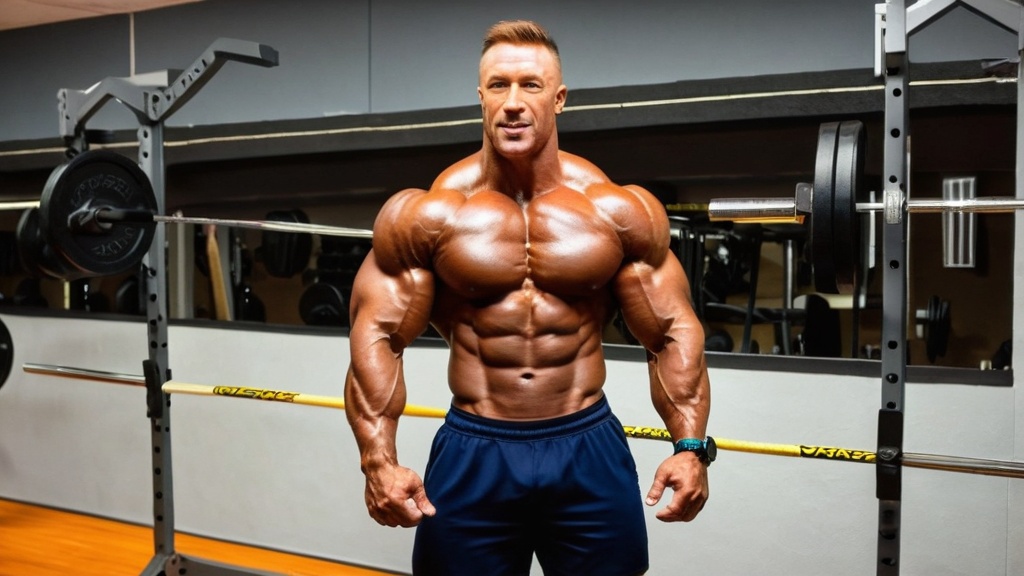

The liver performs essential functions that directly impact bodybuilding performance and results. This organ metabolizes proteins, carbohydrates, and fats from dietary sources, converting them into usable energy and building blocks for muscle tissue. It also filters toxins from the bloodstream, produces bile for fat digestion, and synthesizes important proteins including albumin and blood clotting factors.
For bodybuilders, liver function affects several key processes. The organ stores glycogen, which provides readily available energy during intense training sessions. It also processes amino acids from protein intake, making them available for muscle protein synthesis.
Additionally, the liver metabolizes hormones and supplements commonly used in bodybuilding, including testosterone and various performance-enhancing compounds. Compromised liver function can reduce training capacity, impair recovery between workouts, and limit the body’s ability to build lean muscle mass. Poor liver health may also affect the metabolism of nutrients and supplements, reducing their effectiveness.
Maintaining optimal liver function through proper nutrition, hydration, and avoiding hepatotoxic substances supports sustained progress in strength training and physique development.
Key Takeaways
- Liver health is crucial for effective metabolism and muscle building in bodybuilding.
- Steroid and supplement use can significantly stress the liver, requiring careful management.
- Proper nutrition, hydration, and detoxification support liver function and overall bodybuilding performance.
- Monitoring liver health and recognizing warning signs is essential to prevent serious damage.
- Adequate rest, recovery, and healthy lifestyle choices play a vital role in maintaining liver health.
The Role of the Liver in Metabolism and Muscle Building
The liver significantly influences metabolism. It converts carbohydrates into glucose, which fuels workouts. Additionally, it stores glycogen, providing energy during intense training sessions.
Muscle building relies on protein metabolism, which the liver regulates. It synthesizes amino acids and produces urea to eliminate excess nitrogen. This process is essential for muscle repair and growth after workouts.
Common Liver Stressors in Bodybuilding

Bodybuilders face various stressors that can impact liver health. High protein diets, while beneficial for muscle growth, can strain the liver. Excessive protein intake may lead to increased ammonia levels, putting pressure on this organ.
Alcohol consumption also poses a significant risk. Many bodybuilders may indulge post-competition or during social events. This habit can lead to fatty liver disease and other complications over time.
The Impact of Steroid and Supplement Use on Liver Health
Steroid use is common in bodybuilding but can severely affect liver health. Anabolic steroids increase liver enzyme levels, indicating stress or damage. Long-term use can lead to serious conditions like liver tumors or hepatitis.
Many supplements also pose risks to liver function. Some products contain harmful ingredients or excessive dosages. Bodybuilders must research supplements thoroughly to avoid potential liver damage.
Nutritional Strategies for Supporting Liver Health in Bodybuilding
| Supplement | Purpose | Common Dosage | Key Benefits for Liver Support | Notes |
|---|---|---|---|---|
| Milk Thistle (Silymarin) | Liver detoxification and regeneration | 150-300 mg per day | Antioxidant properties, promotes liver cell repair | Widely used for liver health in bodybuilders |
| N-Acetyl Cysteine (NAC) | Glutathione precursor, antioxidant | 600-1200 mg per day | Boosts glutathione levels, protects liver from toxins | Supports recovery from oxidative stress |
| Alpha Lipoic Acid (ALA) | Antioxidant and liver support | 300-600 mg per day | Reduces oxidative damage, regenerates other antioxidants | May improve liver enzyme levels |
| Turmeric (Curcumin) | Anti-inflammatory and liver protection | 500-1000 mg per day | Reduces liver inflammation, supports detox pathways | Enhances bile production |
| Choline | Supports fat metabolism in liver | 425-550 mg per day | Prevents fat accumulation in liver, supports liver function | Essential nutrient, often deficient in diets |
| Vitamin E | Antioxidant for liver protection | 100-400 IU per day | Protects liver cells from oxidative damage | Use with caution, high doses may have risks |
Nutrition plays a vital role in maintaining liver health. Incorporating foods rich in antioxidants can help combat oxidative stress. Fruits and vegetables like berries, spinach, and kale support liver function.
Healthy fats, such as omega-3 fatty acids, also benefit the liver. Foods like salmon, walnuts, and flaxseeds reduce inflammation and promote overall health. A balanced diet ensures the liver receives essential nutrients for optimal performance.
The Importance of Hydration for Liver Function
Hydration is crucial for liver function and overall health. Water helps the liver flush out toxins and waste products efficiently. Dehydration can impair these processes, leading to increased stress on the organ.
Bodybuilders should prioritize hydration before, during, and after workouts. Consuming adequate fluids supports metabolic processes and enhances recovery. Proper hydration also aids in nutrient absorption, further benefiting liver health.
The Role of Detoxification in Liver Support for Bodybuilders
Detoxification is essential for maintaining liver health. The liver processes toxins from food, supplements, and environmental factors. Supporting this process can enhance overall well-being and performance.
Incorporating detoxifying foods can aid liver function. Foods like garlic, beets, and cruciferous vegetables promote detoxification pathways. Regularly consuming these items can help keep the liver functioning optimally.
Incorporating Liver Support Supplements into Your Bodybuilding Routine
Liver support supplements can enhance overall health for bodybuilders. Milk thistle is a popular option known for its protective properties. It contains silymarin, which helps regenerate liver cells and reduce inflammation.
Other supplements like N-acetylcysteine (NAC) also support liver health. NAC boosts glutathione levels, a powerful antioxidant that protects the liver from damage. Including these supplements in your routine can promote long-term liver health.
Monitoring Liver Health: When to Seek Medical Attention
Regular monitoring of liver health is essential for bodybuilders. Pay attention to symptoms like fatigue, jaundice, or abdominal pain. These signs may indicate underlying issues requiring medical attention.
Routine blood tests can help assess liver function. Elevated enzyme levels may signal stress or damage to the organ. Consulting a healthcare professional ensures timely intervention if needed.
Lifestyle Factors That Can Impact Liver Health in Bodybuilding
Several lifestyle factors influence liver health in bodybuilders. Sleep quality plays a significant role in recovery and overall well-being. Poor sleep can lead to increased stress on the liver and hinder muscle growth.
Stress management is also crucial for maintaining liver health. Chronic stress can negatively impact metabolic processes and hormone levels. Incorporating relaxation techniques like meditation or yoga can help mitigate these effects.
The Importance of Rest and Recovery for Liver Support in Bodybuilding
Rest and recovery are vital components of any bodybuilding routine. Adequate rest allows the body to repair itself, including the liver. Overtraining can lead to increased stress on the organ, hindering performance.
Prioritizing recovery strategies enhances overall health and supports liver function. Techniques like active recovery, stretching, and proper nutrition contribute to optimal recovery. A well-rounded approach ensures long-term success in bodybuilding while maintaining liver health.