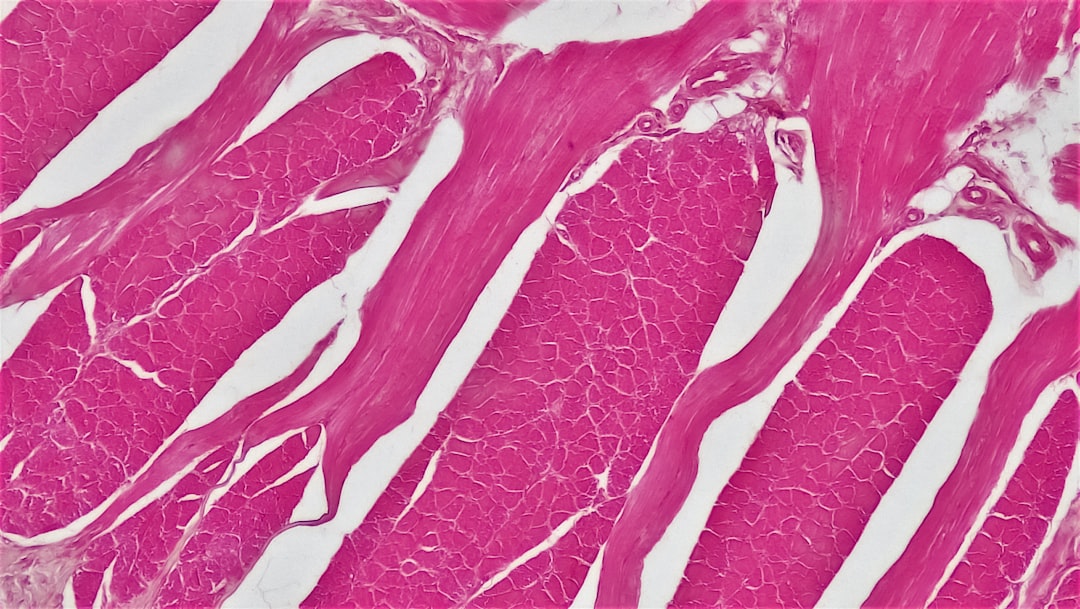

Have you ever wondered why some people sprint likeUsain Bolt while others endure marathons with ease? The secret lies within your muscles, a tiny powerhouse of different fiber types working in concert. Understanding these different muscle fibers can unlock your fitness potential.
Your muscles are not uniform. They contain different types of fibers. These fibers influence how your muscles perform.
How Muscles Contract
Muscle fibers contract to create movement. They generate force when they shorten. This shortening propels your body.
The Two Main Types
Scientists classify muscle fibers into two main types. These are slow-twitch and fast-twitch fibers. Each type has unique characteristics.
Slow-Twitch Fibers: The Endurance Specialists
Slow-twitch fibers are built for marathon runners. They excel at sustained activity. Think of long-distance cycling or holding a yoga pose.
Characteristics of Slow-Twitch
These fibers contract slowly. They also fatigue very slowly. They rely on oxygen for energy. This makes them efficient.
Energy Production in Slow-Twitch
Slow-twitch fibers use aerobic metabolism. This process uses oxygen to create energy. It is a sustained energy source. This process is like a slow, steady burn.
Appearance and Function
Slow-twitch fibers are often red. This color comes from myoglobin. Myoglobin stores oxygen in muscles. They have many mitochondria. Mitochondria are the powerhouses of cells.
Activities Utilizing Slow-Twitch
Endurance activities heavily rely on these. Long walks and swimming are examples. Maintaining posture also uses them.
Benefits of Slow-Twitch Dominance
Individuals with more slow-twitch fibers may excel at endurance sports. They can maintain effort for longer periods. This is advantageous for long events.
Fast-Twitch Fibers: The Powerhouses
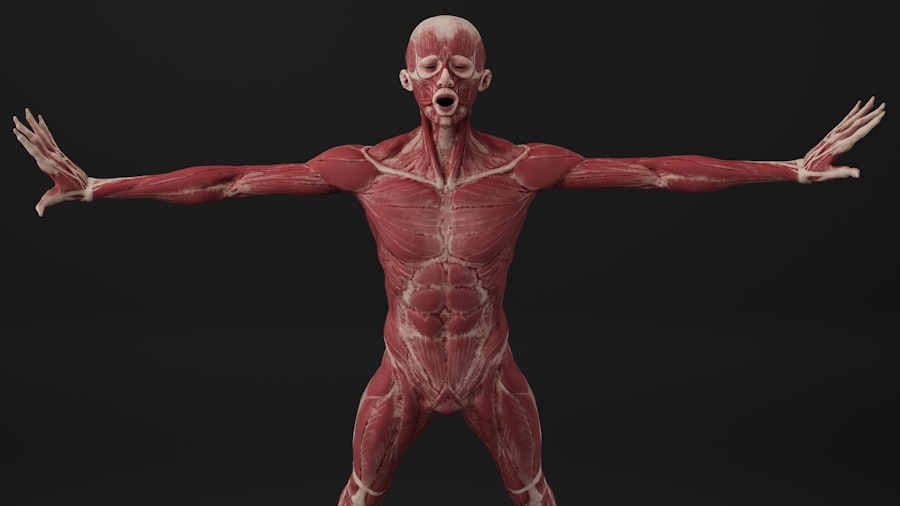
Fast-twitch fibers are built for sprinters and weightlifters. They deliver quick, powerful bursts of energy. Think of a powerful jump or a rapid punch.
Types of Fast-Twitch Fibers
There are actually subtypes of fast-twitch fibers. These are Type IIa and Type IIx (or IIb in some classifications). They vary in their speed and fatigue resistance.
Type IIa Fibers: The Hybrid
Type IIa fibers are a mix of speed and endurance. They contract faster than slow-twitch. They also fatigue faster than slow-twitch. They can use both aerobic and anaerobic energy.
Type IIx Fibers: The All-Out Sprinters
Type IIx fibers are the fastest. They generate the most force. However, they fatigue very quickly. They rely almost exclusively on anaerobic energy.
Energy Production in Fast-Twitch
Fast-twitch fibers primarily use anaerobic metabolism. This process does not require oxygen. It provides quick energy. It is like a short, intense burst of fuel, like hitting the gas pedal hard.
Appearance and Function
Fast-twitch fibers are typically white or pale. They have fewer mitochondria. They have a larger diameter. This allows for greater force production.
Activities Utilizing Fast-Twitch
Explosive movements use these fibers. Jumping, sprinting, and heavy lifting are examples. Quick reflexes also involve them.
Benefits of Fast-Twitch Dominance
Individuals with more fast-twitch fibers may excel at power and speed sports. They can generate high levels of force rapidly. This is beneficial for short, intense efforts.
Fiber Type Ratios and Genetics
Your muscle fiber composition is largely determined by genetics. This means you are born with a predisposition. Your parents might pass down certain traits.
The Genetic Blueprint
| Muscle Fiber Type | Characteristics | Function |
|---|---|---|
| Slow-twitch (Type I) | High endurance, low force production, rich in mitochondria | Used for sustained, low-intensity activities like long-distance running |
| Fast-twitch (Type IIa) | Moderate endurance, moderate force production, moderate mitochondria | Used for activities requiring both endurance and strength, like sprinting |
| Fast-twitch (Type IIb) | Low endurance, high force production, low mitochondria | Used for short bursts of high-intensity activities like weightlifting |
Genes influence the development of muscle fibers. They dictate the proportion of each type. This ratio is set early on. It is difficult to significantly alter.
How Genes Dictate Fiber Types
Specific genes control protein production. These proteins are crucial for fiber function. They determine speed and endurance capacities.
Influences Beyond Genetics
While genetics is primary, training can have an impact. Training can influence how fibers behave. It can shift their characteristics slightly. It can also improve their efficiency.
Training and Muscle Fiber Adaptations
Your training regimen can influence your muscle fibers. It can change their metabolic capabilities. It can enhance their force production. It can also improve their endurance.
Endurance Training Effects
Long, sustained workouts can benefit slow-twitch fibers. They encourage more mitochondria development. They increase capillary density. This improves oxygen delivery. Your muscles become more efficient at using oxygen.
Strength and Power Training Effects
Intense, short bursts of training can affect fast-twitch fibers. They can increase the size of these fibers. They can improve their ability to generate force. This leads to greater strength and power.
Training and Fiber Conversion
There is some debate about fiber conversion. Some evidence suggests Type IIx fibers can adapt. They might become more like Type IIa fibers with endurance training. True conversion from fast to slow is less likely.
Optimizing Your Training
Understanding your primary activities can guide your training. If you seek endurance, focus on aerobic exercises. If you aim for power, focus on resistance training. A balanced approach offers general fitness benefits.
Practical Applications and Hobbies
Knowing about muscle fibers can inform your choices. It can help you understand your strengths. It can also guide your fitness goals.
Choosing Your Sport
Some sports suit certain fiber types better. Marathon running favors slow-twitch dominance. Weightlifting favors fast-twitch dominance. Many sports require a mix.
Enhancing Performance
If you have a naturally high slow-twitch ratio, endurance sports might be a good fit. You could excel at long distances. If you have a high fast-twitch ratio, consider sports requiring explosive power. This could be sprinting or jumping.
General Fitness Importance
Even if you are not an elite athlete, understanding fibers is useful. It helps appreciate muscle function. It explains why some exercises feel a certain way. It promotes a balanced approach to fitness.
Avoiding Misconceptions
Remember, fiber types are not fixed categories. There is a spectrum within each type. Training can optimize fiber function. It cannot fundamentally change your genetic predisposition. Focus on consistent, appropriate training.
This knowledge empowers you. It helps you understand your body better. It allows you to set realistic fitness goals. Work with your body’s natural strengths. Celebrate your muscles’ amazing capabilities.
FAQs
What are the different types of muscle fibers?
There are three main types of muscle fibers: Type I (slow-twitch), Type IIa (fast-twitch oxidative), and Type IIb (fast-twitch glycolytic). Each type has different characteristics and functions within the body.
What are the characteristics of Type I (slow-twitch) muscle fibers?
Type I muscle fibers are known for their endurance and are resistant to fatigue. They have a high capacity for aerobic energy production and are rich in mitochondria and myoglobin. These fibers are used for activities such as long-distance running and maintaining posture.
What are the characteristics of Type IIa (fast-twitch oxidative) muscle fibers?
Type IIa muscle fibers have a fast contraction speed and a high resistance to fatigue. They have a moderate capacity for aerobic energy production and are used for activities such as sprinting and endurance activities that require strength and speed.
What are the characteristics of Type IIb (fast-twitch glycolytic) muscle fibers?
Type IIb muscle fibers have the fastest contraction speed and the lowest resistance to fatigue. They have a low capacity for aerobic energy production and rely on anaerobic metabolism. These fibers are used for activities that require short bursts of power, such as weightlifting and jumping.
Can muscle fiber types be changed through training?
While individuals are born with a certain proportion of muscle fiber types, training can influence the characteristics of muscle fibers. Endurance training can increase the proportion of Type I fibers, while strength and power training can increase the proportion of Type II fibers. However, the actual conversion of one fiber type to another is limited.