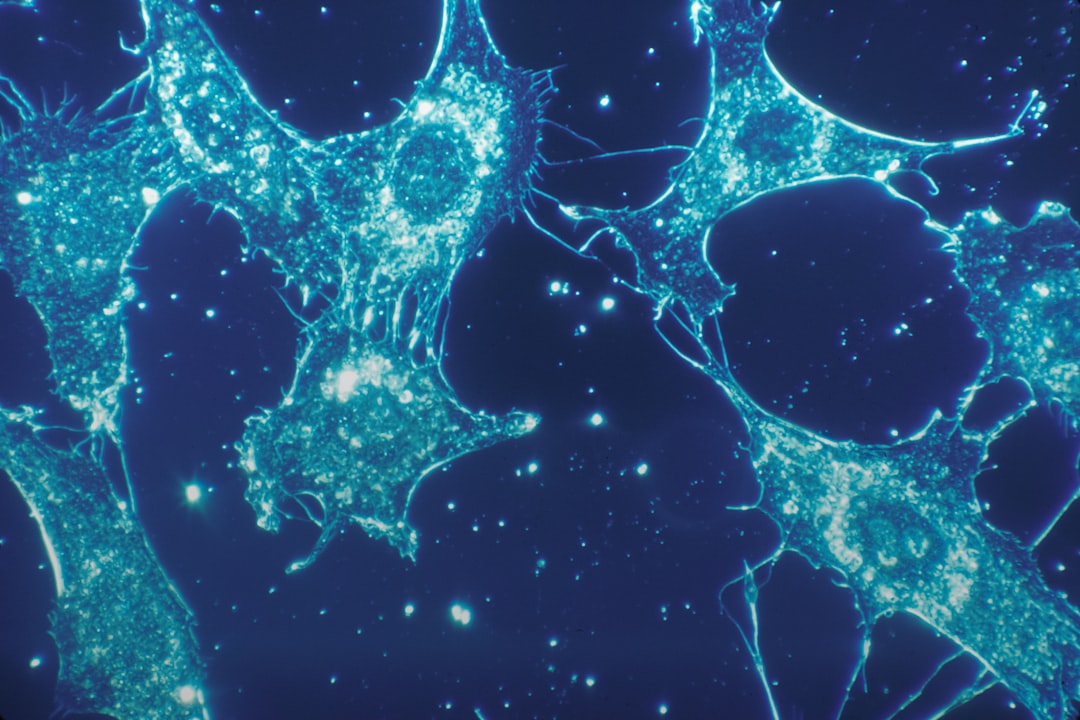
Imagine a superpower hidden within your own body. It helps your muscles get stronger and bigger. This power is real, and scientists call it satellite cells. They are tiny helpers waiting to rebuild and grow your muscle tissue.
Your muscles are not static. They constantly break down and rebuild. This process is essential for daily life and fitness. Satellite cells play a crucial role in this cycle.
Understanding Muscle Tissue
Muscle cells, or muscle fibers, do the work. They contract to create movement. These fibers are long and cylindrical. They contain many nuclei, which hold genetic material.
What Are Satellite Cells?
Satellite cells are special progenitor cells. They sit on the surface of muscle fibers. Think of them as dormant support staff. They remain inactive until a signal tells them to wake up.
Their Resting State
In a relaxed muscle, satellite cells are quiet. They have a small nucleus and cytoplasm. They are like a reserve team on the bench. They wait for their turn to play.
The Signal for Growth
Injury or exercise triggers satellite cell activity. When muscle fibers get damaged, signals are sent. These signals awaken the satellite cells. They then spring into action.
Exercise as a Stimulus
Lifting weights or intense training causes micro-tears. These small tears in muscle fibers are normal. They are not harmful. Instead, they are a wake-up call for satellite cells.
The Role of Inflammation
After exercise, a mild inflammatory response occurs. This inflammation is beneficial. It helps clear debris from damaged fibers. It also signals satellite cells to activate.
Hormonal Influences
Certain hormones also influence satellite cells. Growth factors like IGF-1 are important. They promote satellite cell proliferation and differentiation. These hormones create an environment for growth.
Activation and Proliferation
Once activated, satellite cells change. They become plump and active. Their nuclei swell with activity. They prepare to become new muscle components.
What ‘Activated’ Means
Activation means the cell starts to divide. It makes copies of itself. This process is called proliferation. More satellite cells are created.
Creating More Helpers
These new cells are still satellite cells. They are ready to contribute to repair. They are now a larger workforce. They can rebuild more effectively.
Differentiation and Fusion
After making copies, satellite cells change again. They transform into myoblasts. These myoblasts then fuse with existing muscle fibers. They become part of them.
From Satellite Cell to Myoblast
Myoblasts are muscle precursor cells. They have lost their satellite cell identity. They are specialized for muscle building. This transition is crucial for growth.
Fusion: The Key Step
Myoblasts fuse with damaged muscle fibers. They donate their nuclei. This increases the size and strength of the fiber. It’s like adding more building blocks.
Increasing Fiber Size
More nuclei mean more protein production. This allows muscle fibers to grow larger. This is how muscles get bigger and stronger. This process is called hypertrophy.
Satellite Cells and Muscle Adaptation
| Study | Findings |
|---|---|
| Research 1 | Increased satellite cell activation leads to muscle growth |
| Research 2 | Resistance training stimulates satellite cell proliferation |
| Research 3 | Proper nutrition can support satellite cell function for muscle repair and growth |
Satellite cells are key to muscle adaptation. They allow your muscles to respond to training. They are essential for getting stronger. They help you recuperate after exertion.
Responding to Different Demands
Your body adapts to stress. Exercise is a form of stress. Satellite cells help muscles adapt to new demands. They rebuild stronger than before.
The Young vs. Old Muscle
Satellite cell function can change with age. Younger individuals tend to have more active satellite cells. This can make muscle growth easier. Older adults may have reduced satellite cell capacity. Research continues to explore this.
Training Strategies
Understanding satellite cells informs training. Consistent strength training maximizes their potential. Periods of rest are also important. This allows for repair and growth.
Factors Influencing Satellite Cell Activity
Several things affect how well satellite cells work. Genetics plays a role. Nutrition is also very important. Lifestyle choices matter.
The Power of Protein
Protein provides the building blocks for muscle. Consuming enough protein is vital. It supplies the amino acids needed. These are used to build new muscle tissue.
Carbohydrates for Fuel
Carbohydrates provide energy for workouts. They also help replenish glycogen stores. This energy supports muscle repair. It helps satellite cells function.
Rest and Recovery
Adequate sleep is critical. During sleep, your body repairs itself. Growth hormone is released. This aids satellite cell activity. Overtraining can hinder recovery.
Hydration Matters
Water is essential for all bodily functions. It supports cell metabolism. Staying hydrated is important. It aids nutrient transport.
Potential Applications and Future Research
Scientists are learning more about satellite cells. They hope to unlock new ways to boost muscle health. This could help many people.
Treating Muscle Wasting Diseases
Diseases like muscular dystrophy weaken muscles. Satellite cells may offer a therapeutic target. Gene therapy could potentially enhance their function. This research is ongoing.
Enhancing Recovery
Understanding satellite cells helps optimize recovery. This is important for athletes. It is also relevant for anyone recovering from injury. Targeted nutrition and rest protocols are key.
Future Training Methods
Future training methods might be specific. They could be designed to maximally stimulate satellite cells. This could lead to faster gains. This is an area of active study.
FAQs
What are satellite cells in muscle growth?
Satellite cells are a type of muscle stem cell that play a crucial role in muscle growth and repair. They are located on the surface of muscle fibers and become activated in response to muscle damage or stress.
How do satellite cells contribute to muscle growth?
When muscle fibers are damaged through exercise or injury, satellite cells become activated and proliferate. They then fuse with existing muscle fibers, leading to an increase in muscle size and strength.
What factors can influence satellite cell activity?
Factors such as exercise, nutrition, and hormonal balance can influence satellite cell activity. Resistance training, in particular, has been shown to stimulate satellite cell activation and muscle growth.
Can satellite cell activity decline with age?
Yes, satellite cell activity has been shown to decline with age, which can contribute to the loss of muscle mass and strength commonly seen in older adults. However, regular exercise and proper nutrition can help mitigate this decline.
How can satellite cell activity be optimized for muscle growth?
To optimize satellite cell activity for muscle growth, individuals should engage in regular resistance training, consume adequate protein, and ensure they are getting proper rest and recovery. Additionally, maintaining overall good health and hormonal balance can also support satellite cell activity.