
Ever wonder why you can’t bounce back as quickly after a workout as you used to? As we age, our muscles need a little extra help to repair themselves. Understanding this process can unlock better health and a more vibrant life.
Muscle mass naturally declines with age. This is a normal part of growing older. This loss is called sarcopenia. It can start earlier than you think.
What Causes Sarcopenia?
Several factors contribute to sarcopenia. Age itself is a primary driver. Cellular changes reduce muscle fiber function. Hormonal shifts also play a role.
Recognizing the Symptoms
You might notice less strength. Daily tasks can feel harder. Climbing stairs may become a challenge. Balance could also be affected.
The Impact on Daily Life
Reduced muscle mass impacts independence. Simple activities become taxing. This can lead to a less active lifestyle. It can also increase fall risk.
Muscle Fiber Breakdown: The Workout’s Aftermath
Exercise, especially strength training, causes small tears in muscle fibers. This is not a bad thing. It’s part of how muscles grow stronger. However, during aging, repairing these tears takes longer.
Microscopic Damage and Repair
When you lift weights, muscle fibers experience microscopic damage. Think of it like tiny fraying threads. Your body then initiates a repair process.
The Role of Inflammation
Inflammation is a natural response to this damage. It signals the body’s repair crews. However, chronic inflammation can hinder recovery. This can slow down muscle rebuilding.
Protein Synthesis Slowdown
Protein synthesis is how muscles are rebuilt. As we age, this process becomes less efficient. The body needs more stimulus and better nutrition. This helps overcome the slowdown.
Fueling the Repair: Nutrition’s Critical Role
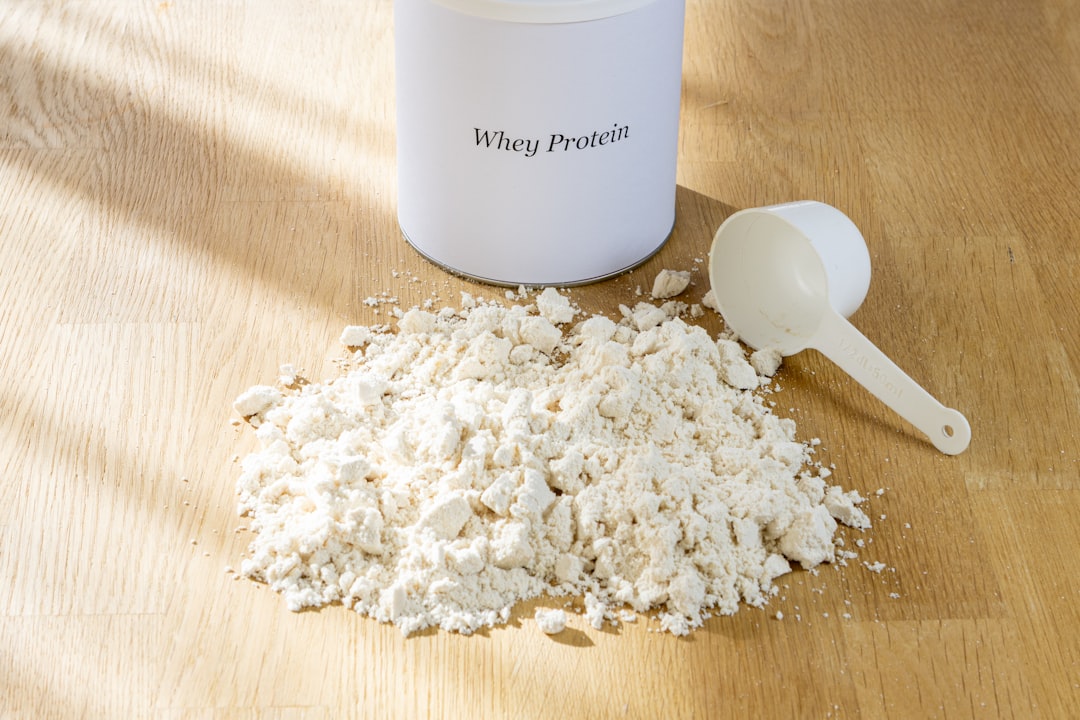
What you eat directly affects muscle repair. Protein is the building block for muscles. Adequate intake is crucial for recovery. Other nutrients also support this process.
The Power of Protein
Protein provides amino acids. These are essential for muscle synthesis. Aim for consistent protein intake throughout the day. This keeps the “repair crew” well-supplied.
How Much Protein Do You Need?
Older adults may need more protein. Target around 1.2 to 1.5 grams per kilogram of body weight. Distribution matters; include protein at each meal.
Excellent Protein Sources
Lean meats, poultry, and fish are great. Eggs are a complete protein source. Dairy products, like Greek yogurt, are also beneficial. Plant-based options include beans, lentils, and tofu.
Beyond Protein: Essential Vitamins and Minerals
Vitamins and minerals support muscle function. Vitamin D is crucial for muscle strength. Calcium aids muscle contraction. Magnesium is also important for muscle health.
Vitamin D’s Importance
Sunlight exposure is a good source of Vitamin D. Many also get it from fortified foods. It helps the body use calcium effectively. This supports bone and muscle health.
Minerals for Muscle Action
Iron carries oxygen to muscles. Zinc aids protein synthesis. Potassium helps regulate muscle contractions. A balanced diet ensures you get these key minerals.
The Importance of Rest and Recovery
Muscle repair doesn’t happen during exercise. It occurs during rest periods. Sufficient sleep is vital for this process. Overtraining can actively hinder recovery.
Sleep: The Ultimate Restorer
During deep sleep, your body releases growth hormone. This hormone is essential for tissue repair. Aim for 7-9 hours of quality sleep each night. Consistent sleep schedules are best.
The Dangers of Overtraining
Pushing too hard without adequate rest backfires. It increases inflammation and damage. It also depletes energy stores. Listen to your body’s signals for rest.
Active Recovery Strategies
Gentle movement can aid recovery. Light walking or stretching can improve blood flow. This helps deliver nutrients to muscles. It also removes waste products.
Staying Strong: Exercise Strategies for Aging Muscles
| Age Group | Recovery Time | Strength Loss |
|---|---|---|
| 20-30 | 1-2 days | Minimal |
| 30-40 | 2-3 days | Some |
| 40-50 | 3-4 days | Significant |
| 50+ | 4-5 days | Considerable |
Regular exercise is key to maintaining muscle mass. Strength training is particularly effective. Combining it with other forms of exercise offers benefits. Consistency is more important than intensity.
Strength Training for Muscle Retention
Strength training stimulates muscle protein synthesis. It helps counteract age-related muscle loss. Start with lighter weights and focus on form. Gradually increase the challenge over time.
Types of Strength Training
Resistance bands offer a low-impact option. Bodyweight exercises like squats and push-ups are effective. Free weights and machines provide more resistance.
Reps and Sets for Recovery
Focus on controlled movements. Aim for 8-12 repetitions per set. Rest 1-2 minutes between sets. This allows for adequate muscle recovery.
The Benefits of Aerobic Exercise
Cardiovascular exercise improves blood flow. This enhances nutrient delivery to muscles. It also boosts overall endurance. A brisk walk or cycling counts.
Flexibility and Balance Training
Improving flexibility maintains range of motion. This helps prevent injuries during exercise. Balance exercises reduce fall risk. Yoga and Tai Chi are excellent choices.
Seeking Professional Guidance
When in doubt, consult a professional. A doctor can assess your muscle health. A registered dietitian can guide your nutrition. A physical therapist can design safe exercise programs. They offer personalized advice.
When to See a Doctor
Persistent weakness or pain is a red flag. Significant, unexplained weight loss may also warrant assessment. Discuss any concerns about your muscle strength.
The Role of a Registered Dietitian
A dietitian can personalize your meal plan. They ensure you get enough protein and key nutrients. This is especially helpful for specific dietary needs or restrictions.
Working with a Physical Therapist
A physical therapist can assess your movement. They create custom exercise routines. This optimizes your recovery and strength building. They also help prevent injuries.
Conclusion: Empowering Your Aging Muscles
Understanding the science behind aging muscle recovery empowers you. By prioritizing proper nutrition, adequate rest, and smart exercise, you can support your muscles. This leads to a more robust and active lifestyle. Small, consistent changes make a big difference.
FAQs
What is aging muscle recovery?
Aging muscle recovery refers to the process by which older individuals experience a decline in their ability to recover from muscle damage and fatigue compared to younger individuals. This decline is attributed to various factors such as decreased muscle mass, strength, and hormonal changes.
What are the effects of aging on muscle recovery?
As individuals age, their muscle recovery process becomes slower and less efficient. This can lead to increased muscle soreness, longer recovery times, and decreased muscle function. Additionally, aging can also result in a decrease in muscle protein synthesis and an increase in muscle protein breakdown.
How does exercise impact aging muscle recovery?
Regular exercise, particularly resistance training, can help improve aging muscle recovery by promoting muscle strength, mass, and function. Exercise also stimulates muscle protein synthesis and can help counteract the effects of aging on muscle recovery.
What are some strategies to improve aging muscle recovery?
Some strategies to improve aging muscle recovery include consuming an adequate amount of protein, staying hydrated, getting enough sleep, and incorporating regular exercise, particularly resistance training, into one’s routine. Additionally, managing stress and inflammation can also support muscle recovery in older individuals.
Are there any potential risks or complications associated with aging muscle recovery?
Older individuals may be at a higher risk for muscle injuries and longer recovery times due to the natural aging process. It’s important for older individuals to consult with a healthcare professional before starting any new exercise regimen to ensure it is safe and appropriate for their individual needs.